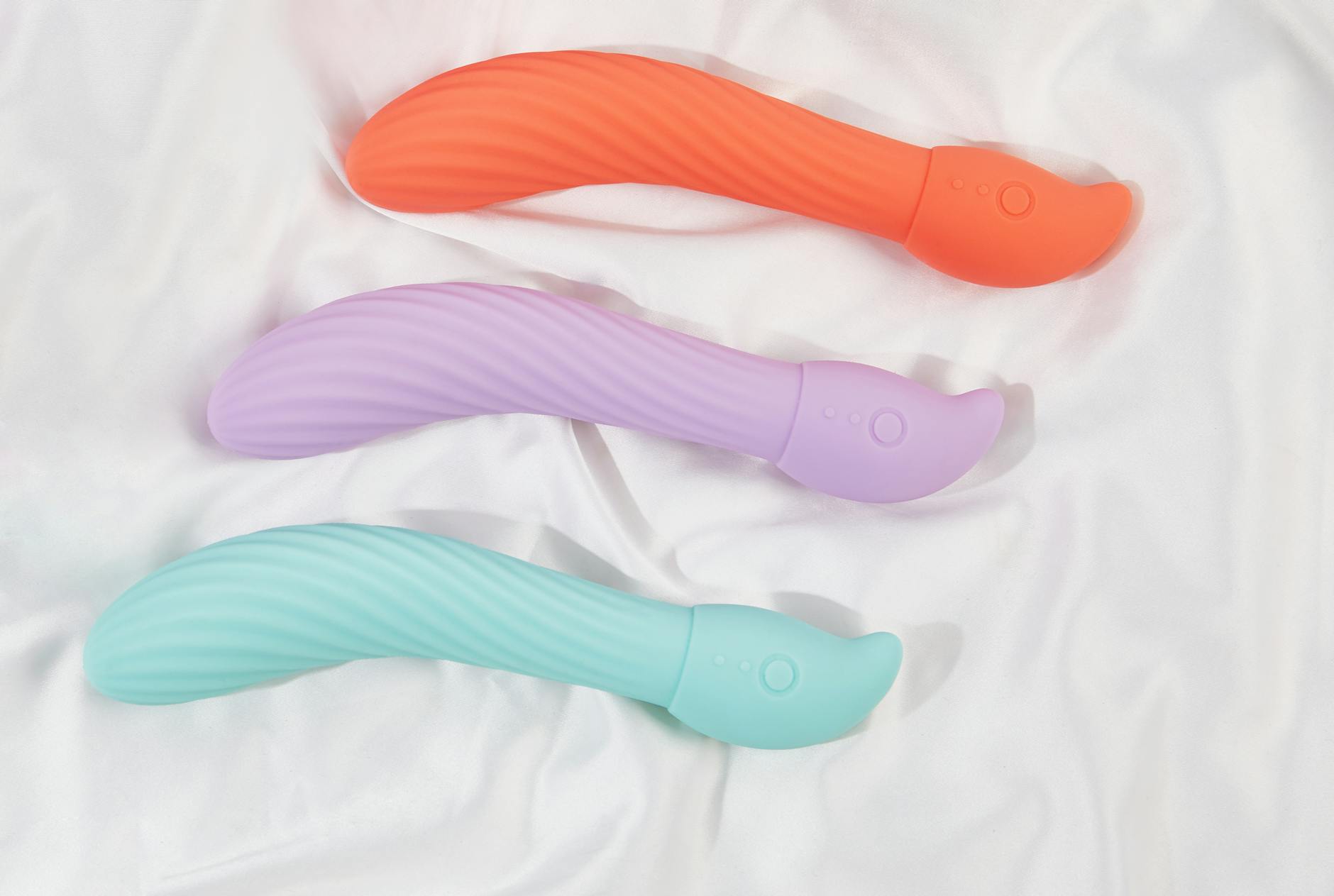
The numbness trap is real, and you're not alone
You used to feel everything. Now your most reliable toy barely registers. If you've been reaching for the highest intensity setting multiple times a week for months or years, your clitoral nerves have essentially stopped paying attention. This isn't a personal failure or a sign your body is broken. It's neurological adaptation, and it happens to roughly half the people who use the same device the same way over and over.
The good news: sensitivity comes back. But it requires a reset, not more power.
Why intensity desensitization happens
Your clitoris has about 8,000 nerve endings concentrated in a small area. When you apply the same level of stimulation repeatedly, those nerves stop firing as readily. It's the same mechanism that makes a scratchy sweater feel soft after you wear it for an hour, or why you stop noticing background noise. Your nervous system prioritizes new or changing input.
High-vibration devices are particularly prone to this because they deliver consistent, repetitive stimulus at the same frequency and amplitude. Over months, your body adapts and demands more intensity to achieve the same response. You're not broken. You're just habituated.
The trap deepens because increasing intensity further accelerates adaptation. It becomes a treadmill where pleasure keeps retreating.
Why lemon clitoral vibrators work differently
Suction-based toys like the Lem use a completely different mechanism than traditional vibrators. Instead of repetitive buzzing, they create gentle pulses of pressure and release. This mimics a natural response pattern rather than imposing an artificial one.
Here's what matters for sensitivity recovery: suction stimulation activates different nerve pathways than vibration. When you switch to a lemon vibrator after months of high-intensity traditional vibrators, you're essentially introducing a new sensation to the same nerve endings. Novelty breaks the adaptation cycle.
Additionally, suction doesn't require you to turn the intensity to maximum to feel something. The Lem's gentlest settings engage sensation without overpowering the tissue. This allows for gradual retraining of pleasure responsiveness.
The reset protocol that works
Switching to a lemon suction vibrator alone isn't enough. You need a structured approach over four to eight weeks.
Week one through two: Stop using your old device entirely. Commit fully to the reset, even if early sessions feel less intense. Use only the Lem at settings 1 through 3. Spend 15 to 20 minutes exploring sensation without the goal of orgasm. Notice texture, rhythm, temperature changes. This retrains attention.
Week three and four: Gradually work up to settings 4 and 5. Begin introducing intentional focus techniques. Breathe deeply. Notice micro-sensations you may have overlooked. Many people report that sensations they'd completely stopped experiencing suddenly reappear.
Week five through eight: By now, your sensitivity is typically improving noticeably. You can experiment with patterns and settings, but keep the ceiling at 6 or 7, not maximum. The goal is rebuilding nuance, not chasing intensity again.
During this period, avoid returning to your old device. One session can restart the adaptation cycle.
What else shifts during a reset
You're not just retraining physical sensation. Something psychological often shifts too. When pleasure has become mechanical and goalless, a reset forces intentionality back in. You can't zone out and scroll your phone while using a lemon vibrator the way you might with a traditional toy. The suction mechanism requires subtle movement and presence.
Many clients report that once sensitivity returns, they're less interested in chasing maximum intensity. The pleasure feels richer at moderate settings. Orgasms often become more multifaceted. Some people describe them as having texture and variation rather than a flat peak.
This is partly neurology and partly psychology. Your brain relearns that pleasure isn't synonymous with maximum stimulation.
How partners fit into this
If you're working through this with a partner, communication matters. Explain that you're not abandoning pleasure or toys. You're resetting. Some partners worry that a sensitivity reset means they're no longer enough. That's a separate conversation worth having early.
A lemon clitoral vibrator also integrates differently into partnered sex than traditional vibrators often do. The gentler sensation doesn't dominate. Partners can use it alongside touch rather than as a replacement. This can actually deepen connection during the reset period.
When pain or numbness won't resolve
Some people experience persistent numbness even after a careful reset. If after eight weeks of consistent Lem use at moderate settings sensation hasn't returned, or if you experience pain, see a pelvic floor physical therapist. Chronic tension in the pelvic floor can mimic or exacerbate desensitization.
Hormonal changes also matter. If you're on certain antidepressants or hormonal contraceptives, those can suppress sensation independent of overuse. A gynecologist can assess whether that's a factor.
You might also explore whether the numbness is concentrated or widespread. If only certain areas feel numb, a targeted approach works better than a full reset.
The maintenance approach after reset
Once sensitivity returns, keeping it requires changing your habits. This doesn't mean abstaining from pleasure. It means varying your approach.
Rotate devices and techniques. Use the Lem, but also explore how to use a lemon vibrator with a sensitive clitoris for nuance. Take breaks between sessions, even if you want more. Your nervous system benefits from anticipation and recovery.
Many people find that monthly "reset days" where they avoid any intense stimulation prevents adaptation from creeping back. A 24 to 48 hour break between sessions also helps maintain sensitivity long-term.
Why the Lem specifically helps
The lemon clitoral vibrator was designed with variable intensity for exactly this reason. The suction mechanism is gentler than traditional vibration by default, so even the highest settings feel moderately intense compared to most toys. This means you can maintain pleasure without constantly pushing toward maximum power.
The patterned options also help. Rotating between patterns keeps your nervous system engaged rather than adapted. You're less likely to chase intensity if the sensation keeps changing in interesting ways.
If you've been using a high-intensity traditional vibrator and sensitivity has tanked, switching to a lemon suction toy often produces noticeable results within two to three weeks. That's not placebo. It's mechanism.
The bigger picture
Sensitivity loss from overuse is one of the most common but least discussed pleasure problems. People assume they've just aged out of sensation or that their bodies no longer work. Neither is true. Adaptation is temporary. Reset is possible. And the pleasure you rebuild often feels deeper than what you had before.
The goal here isn't to return to constant intensity chasing. It's to rebuild a sustainable relationship with your own pleasure. One where sensation has texture, where you're present, and where gentle stimulation can feel genuinely satisfying.
Frequently asked questions
How long does it take to feel sensation return after stopping intense vibration?
Most people notice improvement within two to three weeks of consistent use with gentler stimulation like a lemon vibrator. Significant restoration usually takes four to eight weeks. Some people report changes within days, but that's less common. The timeline depends on how long you've been using intense stimulation. Someone who's relied on high intensity for two years will take longer to reset than someone who's been at it for two months.
Can I use a lemon clitoral vibrator on the highest setting while resetting sensitivity?
Not if your goal is actual reset. Using any toy at maximum intensity, even a gentler one like the Lem, will prevent adaptation from reversing. The whole point of the reset is training your nervous system to respond to moderate stimulation again. Save the higher settings for week five or later, and even then, keep them occasional. The sweet spot for sensitivity maintenance is typically settings 3 through 6.
Is it normal to feel nothing during the first few days of a sensitivity reset?
Yes. After months or years of high intensity, moderate stimulation can feel genuinely underwhelming at first. This is the adaptation talking, not a sign the reset isn't working. Push through the first week. By week two, sensation typically begins to sharpen. Many people describe it as rediscovering pleasure they thought was gone.
Can alcohol or caffeine affect how quickly sensitivity returns?
Yes, both can impact it. Alcohol numbs sensation acutely and can interfere with nerve signaling, so avoiding it during reset weeks helps. Caffeine increases heart rate and can create jitteriness that masks subtle sensations. Cutting back on caffeine during week one or two can actually make it easier to notice sensitivity returning. This is temporary. Once reset is complete, neither is a problem.
What if my partner doesn't understand why we need to reduce intensity?
Talk about it directly and separately from sex. Explain that you're experiencing neurological adaptation, not rejection of them or pleasure generally. Frame the reset as something you're doing together, not without them. Many partners actually find lemon clitoral vibrators easier to integrate into partnered play than traditional vibrators, so the experience together might feel better. If your partner resists a needed reset, that's a deeper conversation worth having, possibly with a couples counselor.
Can I use other toys during a sensitivity reset or should I avoid all stimulation?
Avoid all intense toys during the reset period. But gentle, non-vibrating touch from a partner, or even manual exploration, is fine and often helpful. The key is not reintroducing the same intense stimulus your nervous system has adapted to. Once you're several weeks into recovery and feeling improvement, you can cautiously reintroduce other toys at gentle settings. Test them out. If sensation starts dulling again, return to the Lem exclusively for another week or two.
Why does sensitivity come back faster with lemon vibrators than with taking a complete break?
Because your nervous system needs novel input to break adaptation, not just a lack of input. Complete abstinence eventually works, but it takes longer, sometimes months. A lemon suction vibrator introduces a genuinely different sensation pattern, which reactivates attention more quickly. You're also maintaining engagement with pleasure, which is psychologically helpful. It's the difference between retraining your nervous system and just waiting for it to reset on its own.
Key takeaways
Sensitivity loss from overusing intense vibrators is reversible. Your clitoris isn't permanently numb. Your nervous system has simply adapted to the same stimulus. Switching to a gentler lemon clitoral vibrator and following a structured reset protocol over four to eight weeks typically restores sensation dramatically. The pleasure you rebuild often feels richer and more sustainable than what you had before. Maintain sensitivity long-term by rotating devices, varying patterns, and taking intentional breaks. If numbness persists beyond eight weeks or you experience pain, consult a pelvic floor physical therapist or gynecologist.
Your pleasure matters, and it's absolutely worth protecting.