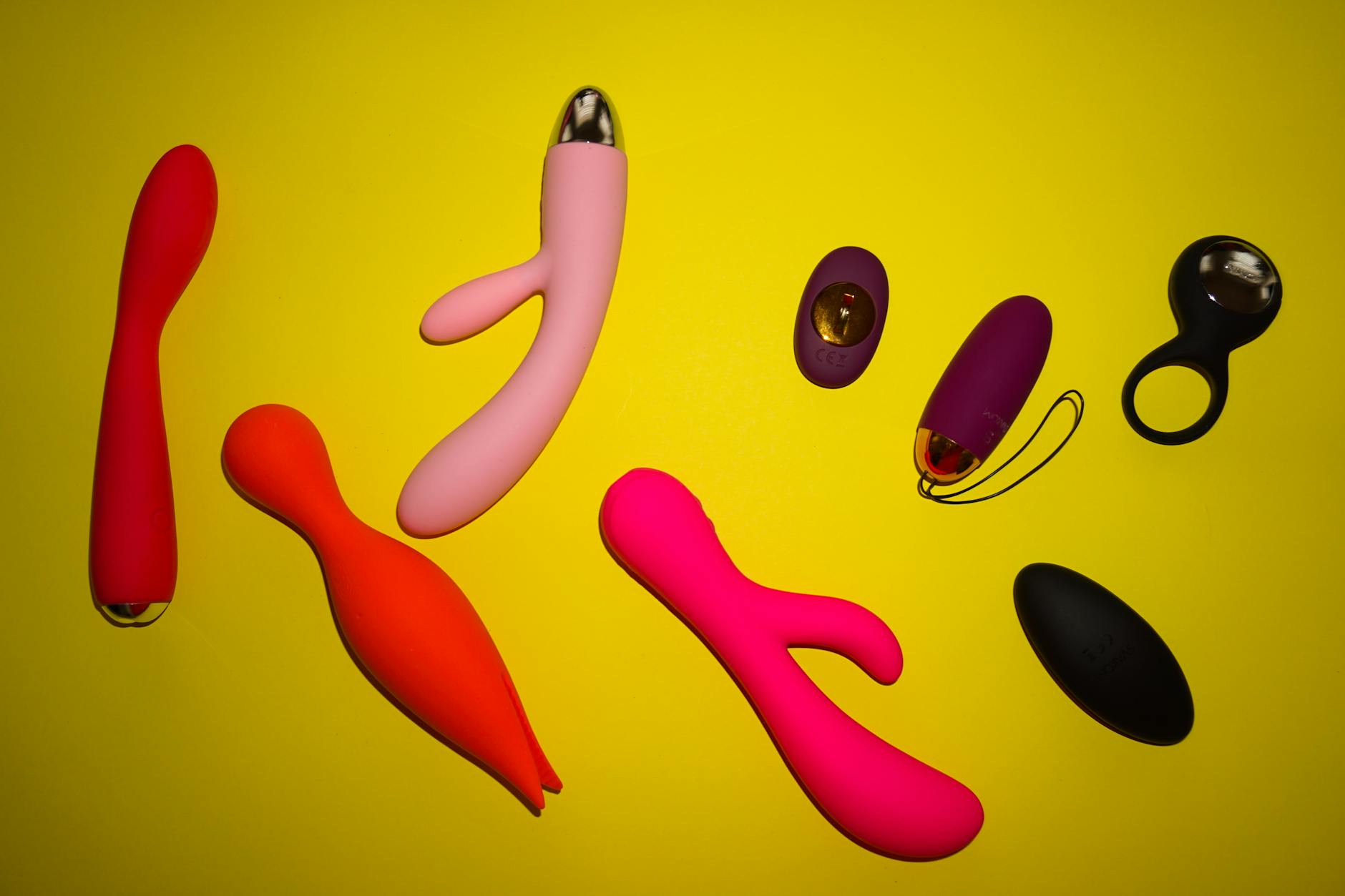
Let's start with the honest part
Starting antidepressants is often the right call. Your mental health matters. But here's what nobody tells you at the pharmacy: SSRIs, SNRIs, and other common antidepressants can flatten arousal, delay or block orgasm, and make sensation feel muted. You're not broken. Your brain chemistry literally changed, and your body is responding exactly how it should.
The good news? This is temporary, manageable, and absolutely worth addressing because pleasure matters to your overall mental health too.
How antidepressants actually affect arousal
Most modern antidepressants work by increasing serotonin in your brain. Serotonin is great for mood. It's terrible for libido. Here's why.
Serotonin inhibits dopamine release. Dopamine is the primary neurochemical for desire, reward, and that jolt of anticipation you feel before sex. When your serotonin goes up, dopamine goes down. Result: the urge to have sex decreases, or vanishes entirely. Even when you're trying to feel aroused, your nervous system isn't cooperating.
Beyond desire, serotonin messes with the mechanics. Orgasm requires a specific neurological sequence. Too much serotonin disrupts it. Some people experience anorgasmia (no orgasm at all). Others find orgasms are possible but require significantly longer to achieve, feel less intense, or come with delayed satisfaction. The sensitivity is still there, but it's buried under neurochemical noise.
The timing matters too. Most sexual side effects peak in the first two to eight weeks, then stabilize. Your body doesn't adapt perfectly, but it usually adapts somewhat. Give yourself permission to wait a few weeks before panicking.
Why a lemon vibrator works when arousal is suppressed
A lemon sucker vibrator uses air-suction technology rather than simple vibration. That's significant when you're dealing with antidepressant-flattened sensation.
Here's the difference. Traditional vibrators rely on direct mechanical stimulation. If your nervous system is sluggish, you might not feel much, so you turn up the intensity. You chase sensation, which leads to desensitization, which leads to needing more intensity, which cycles downward.
A lemon clitoral vibrator works differently. The suction creates a broader, deeper stimulation that engages more nerve endings at once. It's less about chasing a sharp sensation and more about building waves. For people on SSRIs, this approach often feels more accessible because it doesn't require your nervous system to fire at high intensity right away. It can build gradually.
The other advantage: suction stimulation has a cumulative effect. The more you use it, the more your nervous system remembers how to respond. You're not fighting your medication. You're working with your body's capacity and slowly retraining arousal pathways.
The practical adjustments that actually help
Start lower than you think you need to. If you usually use pattern 3, begin at pattern 1. Antidepressants can make you feel disconnected from sensation, which tempts you to jump straight to high intensity. Resist that. You're reacquainting your nervous system with pleasure, not trying to override it.
Use the suction feature first, vibration second. On a lemon vibrator, the suction setting often feels more accessible when arousal is suppressed. Vibration can come later once you've warmed up the nervous system. Reverse the typical order.
Plan for longer sessions. Your brain needs more time to engage. Budget 30 to 45 minutes instead of 15. Half of that time might be low-intensity exploration. That's normal. Orgasm isn't the goal here. Reconnection is.
Lube matters more than ever. Water-based lubricant helps the suction technology work properly and removes friction-related friction. It also signals to your brain that this is a sensual, intentional experience, not a rushed attempt to feel something.
Schedule pleasure like you schedule therapy. When arousal is suppressed, spontaneous desire is nearly impossible. Instead, pick a specific time. Sunday morning. Wednesday evening. This removes the pressure to feel spontaneous urge and lets you focus on the physical experience without guilt.
The emotional and relational piece
If you have a partner, this transition is about more than technique. Antidepressant side effects often land harder emotionally because they feel like rejection of your partner, which isn't true but feels true in the moment.
Have the conversation early. Say: "My medication is flattening arousal right now. This isn't about you. Here's what I need." Then be specific. Do you need longer warm-up? Different timing? Less pressure to orgasm? More manual foreplay before any toys come into play? Clarity prevents resentment.
Consider sensate focus exercises together. These are structured touch sessions without goal orientation. You take turns exploring each other's body without aiming for sex. This can help rebuild the neural pathway from touch to pleasure when antidepressants have temporarily severed it.
When to talk to your doctor
If sexual side effects persist past eight weeks and are affecting your quality of life, that's a medical conversation, not a you problem. Your prescriber has options.
Some strategies: taking your dose at a different time of day (usually at night, after sex), adding a medication that counteracts sexual side effects (like bupropion, which increases dopamine), or switching to an antidepressant with lower sexual side effect rates (like mirtazapine or bupropion). None of these are failures. They're adjustments.
If your doctor dismisses sexual side effects or tells you to just accept it, get a second opinion. This matters.
Give yourself time
Rebuild sensation gradually. Use your lemon vibrator consistently but gently. Notice what begins to shift after two weeks, then four weeks. Many people find that sensation returns as their body acclimates to the medication, usually within a few months.
The arousal that returns isn't always identical to what you had before. It might be slower to ignite. It might feel different in texture. That's okay. Your nervous system is learning a new baseline. That baseline can include deep, complex pleasure, but it needs patience first.
Frequently asked questions
Can I use a lemon vibrator safely while taking SSRIs?
Absolutely. There are no contraindications between SSRI medications and clitoral vibrators. You're not overriding your medication or causing harm. You're simply engaging with your own anatomy while your brain chemistry stabilizes. If anything, gentle, consistent stimulation can help retrain arousal pathways that the medication has temporarily muted.
Will a lemon clitoral vibrator help me orgasm again on antidepressants?
It can. The suction technology often bypasses some of the neurochemical barriers that traditional vibration doesn't. That said, orgasm might still take longer or feel different. Use the vibrator for pleasure and sensation first, with orgasm as a secondary goal rather than the primary target. This reduces pressure and often paradoxically makes orgasm more accessible.
How long does it usually take for arousal to return after starting antidepressants?
Most sexual side effects peak in the first two to eight weeks, then gradually improve. By three to four months, many people notice meaningful recovery. Some experience full return to baseline. Others find a middle ground where arousal is slower but present. If you're still experiencing severe suppression after four months, that's worth raising with your prescriber.
Should I tell my partner about using a lemon vibrator while on antidepressants?
That's your call based on your relationship. If you share a sexual life, transparency helps. You might frame it as: "I'm using this tool to help my body remember how to respond while the medication settles in." Many partners find this reassuring because it shows you're actively working on reconnection rather than passively accepting numbness.
Can I switch antidepressants to avoid sexual side effects?
Maybe, but it's complicated. Some antidepressants have lower sexual side effect rates (bupropion, mirtazapine, vilazodone). But the medication that works best for your depression might not be the one with the fewest sexual side effects. Talk to your prescriber about the trade-offs. Often, adding a medication or adjusting timing is easier than switching.
What's the difference between a lemon vibrator and other clitoral vibrators for this situation?
The suction technology is the key difference. A lemon sucker vibrator uses pulsed air waves rather than mechanical vibration alone. For people on antidepressants with suppressed sensation, suction often feels more accessible because it creates broader nerve stimulation without requiring intense direct friction. Traditional vibrators work too, but they sometimes require higher intensity to feel something, which can lead to desensitization. Suction tends to feel gentler while still being effective.
Is it normal to feel nothing at first with a lemon vibrator after starting antidepressants?
Completely normal. Your nervous system is processing a chemical shift. The sensation might feel distant, muted, or delayed. This doesn't mean the tool isn't working. It means your body is still adjusting. Keep using it consistently but gently. Sensation often returns gradually over weeks.
Moving forward
Your mental health and your sexual health are not in competition. Starting antidepressants is an act of self-care. Rebuilding pleasure while on them is also self-care. They're not mutually exclusive.
A lemon vibrator can be part of the toolkit as your nervous system reacquaints itself with arousal. Use it without pressure. Notice what shifts. Be patient with your body and the process. Connection is possible on the other side of this adjustment period, and it often feels richer because it's intentional rather than automatic.
If you have questions about your specific situation or want to explore other strategies, we're here. Reach out anytime.
Sources & Further Reading
SSRI sexual side effects are well-documented in clinical literature. The most common mechanism involves serotonin inhibition of dopamine, which suppresses desire and delays orgasm. If you want to dive deeper into the neuroscience or explore options with your prescriber, these topics are worth researching: serotonin-dopamine interaction in sexual response, SSRI-induced sexual dysfunction management strategies, and sensate focus therapy for couples navigating medication side effects.