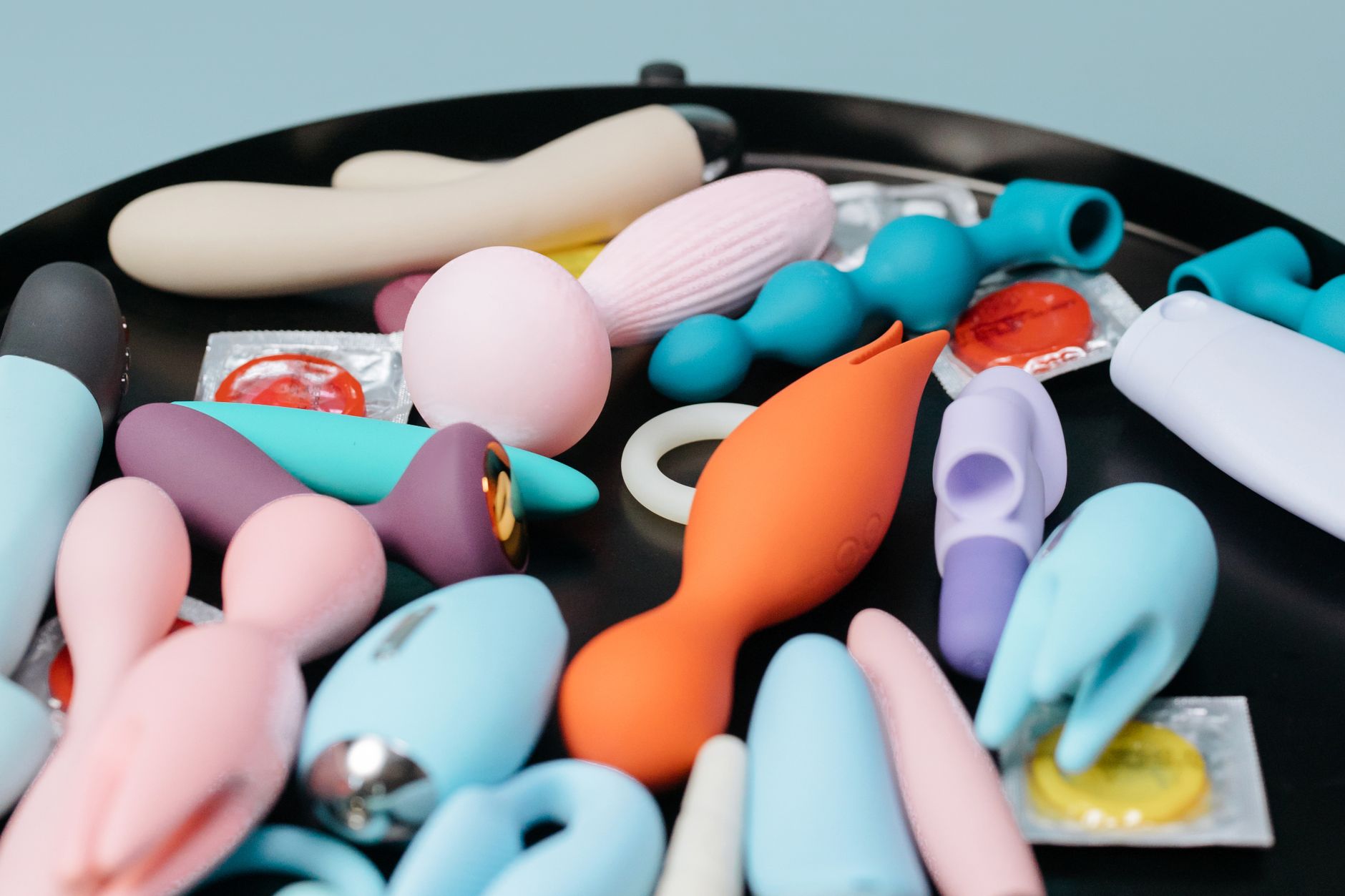
Let's be real about the awkwardness
Introducing a vibrator into partnered sex is one of those things that sounds simple until you're actually standing there holding one, wondering if you should just pretend it's not happening or hand it to your partner like you're passing a salt shaker. The silence is real. The overthinking is real.
But here's what I've learned from years of working with couples: the awkwardness only lasts about 30 seconds after the first time. The part that matters is the conversation before you get there.
The conversation that changes everything
Timing matters. Not during sex, not right after, not when either of you is tired or defensive. Pick a moment when you're both relaxed and clothed. Morning coffee, a walk, whenever you actually talk without distraction.
Here's what actually works: lead with desire, not logistics. "I've been thinking about ways we could intensify things together" is different from "I want a vibrator during sex." The first one includes your partner. The second one can sound like a substitution.
If you're the one with the vulva: be clear about what you want the vibrator to do. "I want more consistent stimulation during penetration" or "I want to come more easily so I'm not stuck in my head worrying about it" are specific. "I need a vibrator because you're not doing it right" starts a fight that has nothing to do with the vibrator.
If you're the partner without the vulva: normalize the conversation. "I read that a lot of couples use vibrators together and it helps with pleasure" removes the shame. "I want you to feel amazing" is true and it's the opposite of threatening.
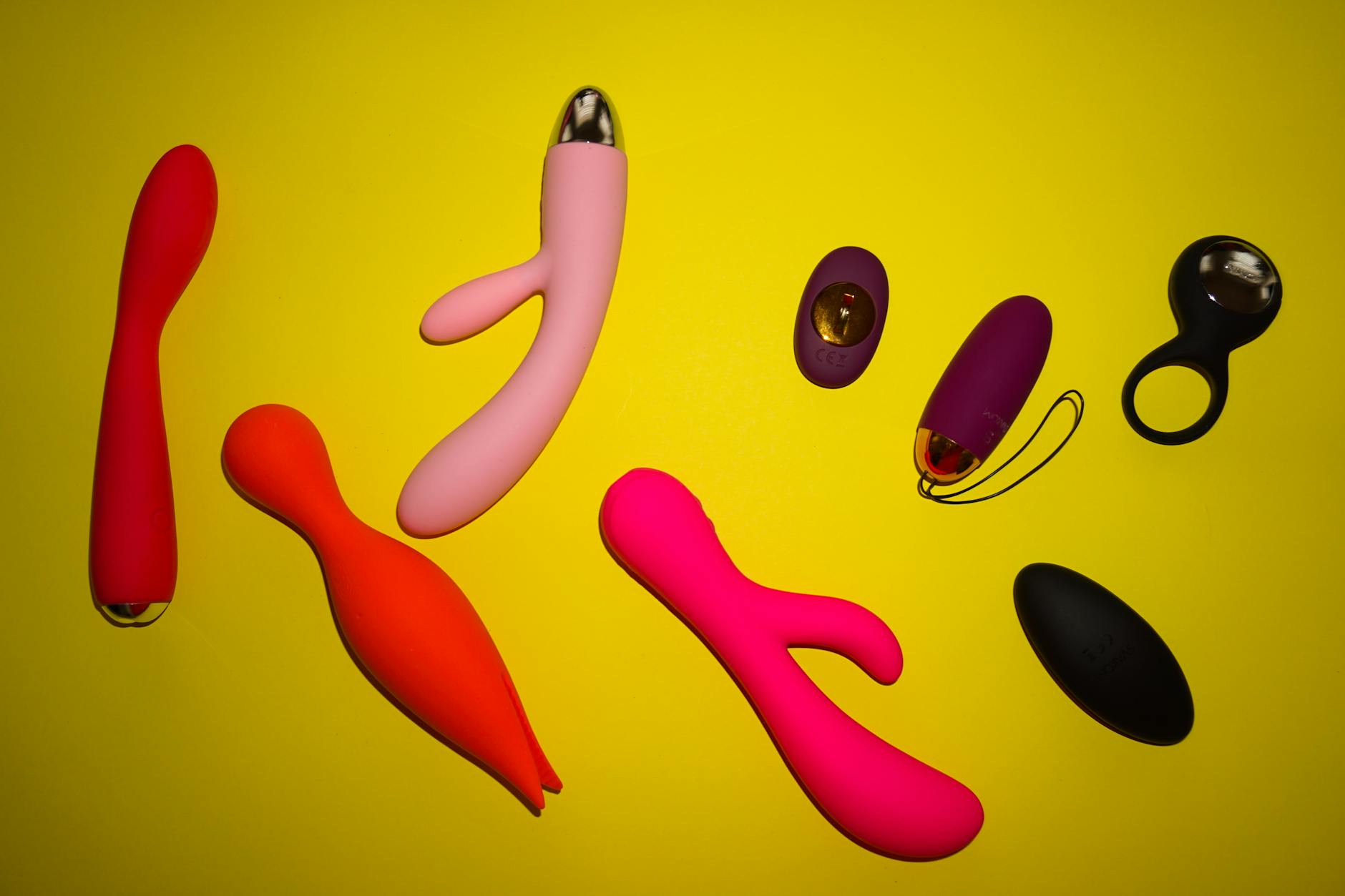
Photo by FounderTips . on Pexels
Why a lemon vibrator specifically works so well
There are a few reasons clitoral vibrators like the Lem are less triggering than penetrative toys. First, they're designed to sit outside the body, so they feel additive rather than replacement. Second, they're externally focused, which means your partner is still in charge of penetration if that's part of the equation. Third, they're quieter and smaller than a lot of other options, which means less performance pressure.
The suction pattern on a lemon vibrator is particularly good for partnered use because it doesn't require precise positioning. With a traditional vibrator, you're often both holding still to keep it in the exact right spot. Suction vibrators stick to the body, which means your partner can actually move without the whole thing shifting.
The first time: positioning and rhythm
Most couples make this harder than it needs to be. Here's the simplest setup that actually works:
Start with foreplay as usual. Once you're both aroused, introduce the vibrator during the kind of touch that already feels good. If you normally enjoy oral sex, this is the perfect moment for a vibrator. If you prefer direct clitoral touch, same thing. Don't switch the entire dynamic. Just add to it.
Position the vibrator against the clitoris, lower belly, or wherever stimulation feels best. With a suction vibrator, you're looking for contact but not pressure. Start on a lower pattern. Most people default to the highest setting, which is too much for the first time. Pattern 2 or 3 is almost always the right entry point.
Let your partner move into you while the vibrator stays still, or keep penetration constant and use the vibrator rhythmically. Both work. Most people find that alternating patterns (building from lower to higher) works better than staying on one setting the whole time.
When it feels awkward (and how to move through it)
Some common moments of friction: your partner feels like they're not enough. Your partner worries they should be the one holding the vibrator. You feel self-conscious about being that vulnerable. None of these are relationship problems. They're just adjustment moments.
If your partner feels inadequate, remind them that clitoral stimulation is a physical thing, not an emotional one. An orgasm from a vibrator doesn't mean they're not good enough. It means you're asking your body for something specific. You also probably can't give yourself a good back massage, but that doesn't mean you don't want to be touched by someone you love.
If your partner wants to hold the vibrator, let them. Some couples find this is actually the sweet spot. Your partner gets to be active in your pleasure, and they get visual and tactile feedback about what feels good. This changes the dynamic from "you're using a toy" to "we're creating pleasure together."
Self-consciousness is normal and it usually disappears fast. The first time feels weird because it's new. By the third time, your brain has filed it under "normal things we do" and the weirdness is gone.
The rhythm that actually gets you there
If the goal is orgasm, consistency matters more than intensity. Build the pattern slowly. Start at a lower setting, stay there for 2-3 minutes, then move to the next setting up. This teaches your body to build arousal instead of getting overwhelmed.
Most people either orgasm faster with a vibrator or discover they need a specific pattern they didn't know about before. Either way, this is useful information. Pay attention to what works. The better you know your own body, the easier it is to direct your partner.
If you're not coming during partnered sex with the vibrator, that's also normal. Orgasm during penetration is already tricky for most people with vulvas. Adding a new variable doesn't always fix it immediately. Give it three or four times before you assume it's not working.
Maintenance and care between sessions
After sex, rinse the vibrator with warm water and a small amount of soap. Dry it completely. Store it somewhere safe and discrete. If you're using lube, make sure it's water-based if your vibrator is silicone. Oil and silicone don't mix, and silicone lube can damage silicone toys over time.
Charge it between uses so it's always ready. Nothing kills the mood faster than "hold on, I need to charge my vibrator for twenty minutes." Battery anxiety is real, and it's easy to avoid.
What changes after you've done this a few times
Once you've brought a vibrator into partnered sex a few times, it stops being a conversation and starts being just part of what you do. Some couples use it every time. Some use it occasionally. Some discover they wanted it for a phase and then moved on to something else.
The real shift is that you've proven to each other that your pleasure matters enough to figure things out. You've been vulnerable. You've communicated about something that felt awkward. You've experimented together. That's the skill that actually matters, and it applies to everything else in the relationship too.
Frequently asked questions
Can I use a vibrator if my partner feels threatened by it?
This is a conversation problem, not a vibrator problem. If your partner sees a sex toy as a threat to their role or desirability, the issue isn't the device. It's that they need reassurance about what their role actually is. A vibrator doesn't replace your partner. It complements what's already happening. If this conversation doesn't land, couples therapy is genuinely useful here. A therapist can help your partner understand that their role is still vital.
What's the best position for using a vibrator during partnered sex?
The best position is whatever keeps both of you comfortable and allows access to the clitoris. Many couples find that woman on top, spooning, or face-to-face with your partner slightly to one side works well because the vibrator doesn't get in the way of penetration. If you're using a suction lemon vibrator, you have more flexibility because it stays in place without being held.
Should my partner hold the vibrator or should I?
Try both. Some couples prefer the receiving partner to hold it because it keeps them in control of exactly where the stimulation is. Others prefer the penetrating partner to hold it because it lets them be actively involved in your pleasure. Neither is right or wrong. The best answer is whatever feels most comfortable and connected for both of you.
What if I can't orgasm with a vibrator during partnered sex?
Orgasm during penetration is already challenging for many people, so adding a new variable doesn't always make it easier immediately. Give yourself at least three to four times to adjust. You might find you need a different pattern, a different position, or a different vibe (literally). You also might find that orgasm alone before partnered sex, and then using the vibrator for enhancement during, works better. Pleasure doesn't have to follow a single pathway.
Is using a vibrator during sex with a partner considered cheating?
No. Using a vibrator together is collaborative intimacy. Cheating involves breaking agreements with your partner. If you've talked about it, agreed on it, and are doing it together, you're not cheating. You're being adventurous. If you're secretly using a vibrator without your partner knowing or agreeing, that's a different conversation about honesty, not about the vibrator itself.
How do I know if my partner is actually okay with using a vibrator?
Pay attention to their actions, not just their words. A partner who's genuinely comfortable will ask questions, engage with the experience, maybe even want to explore more over time. A partner who's tolerating it will go along with it but seem checked out, or will bring it up later as a problem. If you sense hesitation, pause the experience and have another conversation. The vibrator isn't worth resentment.
The part that matters most
Using a vibrator during partnered sex isn't really about the vibrator. It's about choosing to talk about pleasure, choosing to experiment, and choosing to prioritize sensation over ego. The vibrator just makes that conversation concrete.
If you're thinking about introducing this with a partner, you already have everything you need. You don't need the perfect toy or the perfect moment. You just need honesty and willingness to feel a little awkward for about thirty seconds. Everything else follows from there.
Ready to start the conversation? The best time to talk about it is soon, when you're both calm and present. And if you want specific guidance, our care guides and FAQs have answers to nearly every question that comes up. You're not doing anything wrong. You're just expanding what pleasure can look like together.