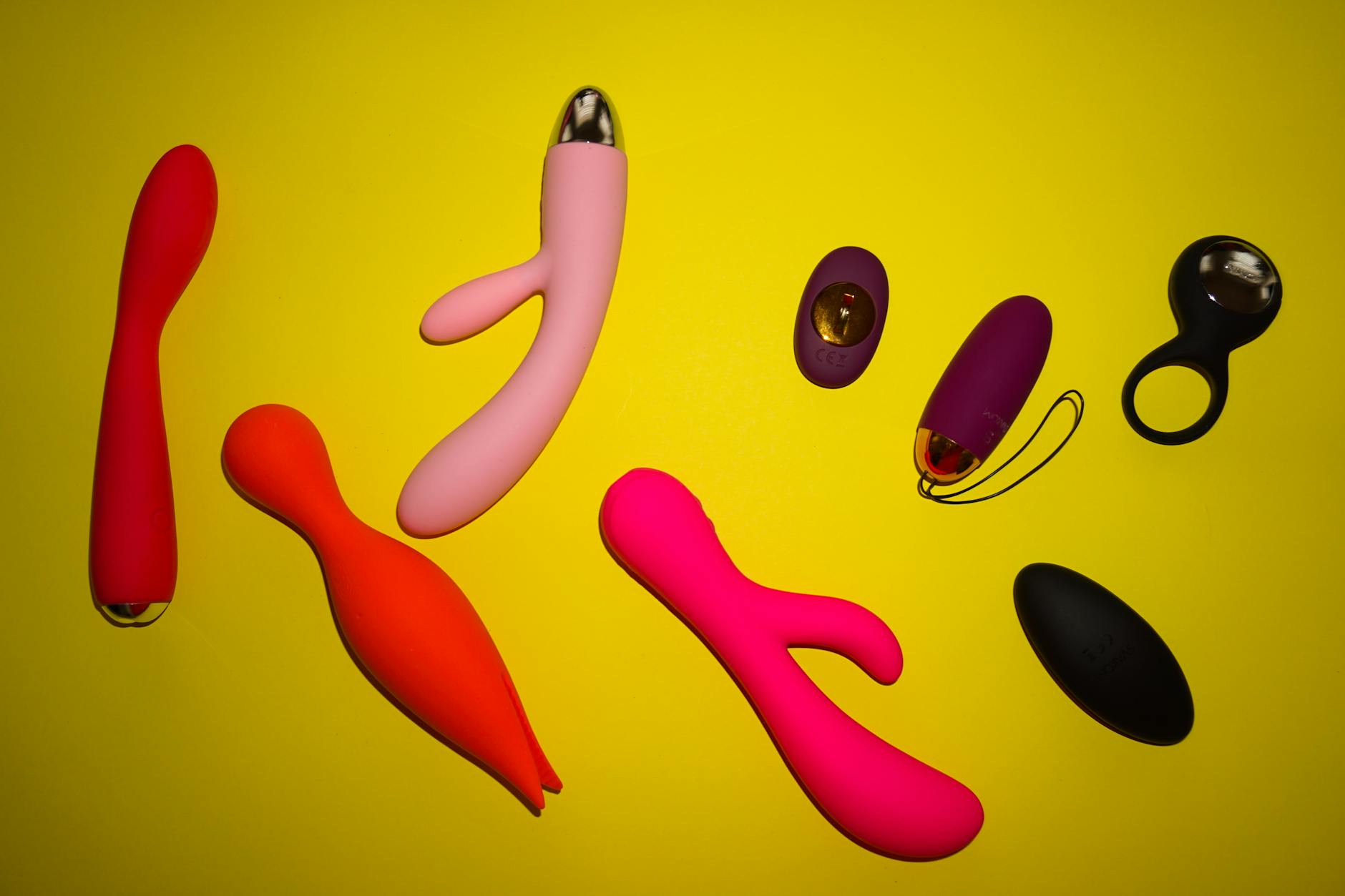
Here's what nobody tells you about low libido
Low desire is not a personal failing. It's not something you fix with the right toy, the right lighting, or the right partner. Low libido is your body and brain sending a signal that something needs attention. Sometimes that something is physical. Sometimes it's relational. Often it's both at once.
But here's the part that changes everything: a lemon vibrator isn't designed to "fix" low desire. It's designed to work with your nervous system in a way that other toys don't, which means it can help you explore pleasure without the pressure that often makes low libido worse.
Why lemon vibrators are different when desire is low
Traditional vibrators rely on intensity and speed to create sensation. When your libido is already in the basement, that approach backfires. You're lying there waiting to feel turned on, and instead you're just... waiting. The pressure to respond builds. Frustration follows. Desire dies completely.
A lemon clitoral vibrator works on suction and rhythm instead. That matters because suction mimics the way your body naturally responds to pleasure. It's not hammering at your nervous system demanding a reaction. It's gently creating a sensation that feels intuitive, rhythmic, the way your body might respond during arousal that's already happening.
For people with low desire, that's significant. You're not fighting against your body's baseline state. You're inviting it into something that feels like it belongs there.
The psychology of low libido and tools
Here's something I see in my therapy practice constantly: people with low desire often avoid their own pleasure not because they don't want it, but because trying and failing to feel aroused has become painful. The lemon vibrator can help reset that dynamic, but only if you use it the right way.
The key is separating the tool from the goal. You're not using the vibrator to "get yourself in the mood." You're using it to explore sensation for its own sake, with zero outcome attachment. That sounds simple. It's actually a complete mindset shift, and it changes everything.
How to actually use a lemon vibrator when libido is low
Start with no expectations. Seriously. Put the lemon vibrator somewhere you can reach it, and for the first few sessions, don't think of it as a sex thing. Think of it as a way to check in with your body's capacity for pleasure, like stretching after a long day.
Second, give yourself permission to stop anytime. Low libido often comes with a subtle shame, and that shame makes it harder to stay present. If you're using a lemon vibrator because you feel you "should," you're already losing. Solo exploration only works when there's genuine curiosity, not obligation.
Third, use lower intensity first. The Lem vibrator has multiple intensity levels. Most people with low libido do better starting at level 1 or 2, building upward only if it feels right. There's no rule that says you need to reach maximum intensity. The point is sensation, not performance.
Fourth, think about timing. Low libido often shows up when you're exhausted, stressed, or emotionally activated. Trying to use a lemon clitoral vibrator at 10 p.m. when you're running on empty won't work. Pick a time when you have actual energy, even just fifteen or twenty minutes of genuine available attention.
The relationship piece is huge
If you're in a partnership, low libido becomes a relational issue pretty quickly. Your partner might interpret it as rejection. You might feel guilty. That guilt silences desire even more. It's a loop, and a lemon vibrator alone won't fix it.
What helps is separating your solo exploration from partner sex. Your exploration with a lemon vibrator is for you. It's not foreplay. It's not preparation. It's not something you're doing to get "ready" for partnered activity. It's its own thing, which means your partner's desires or timeline can't hijack it.
If your partner feels rejected, that's a separate conversation. A good one to have with someone trained in this work. Low libido in a relationship is worth professional support. It's too important to leave to assumptions.
When low libido is a sign of something else
Sometimes low desire is about anxiety. Sometimes it's depression, burnout, hormonal shifts, medication side effects, or unresolved conflict. A lemon vibrator can help you stay connected to pleasure while you're working on the underlying issue, but it's not a substitute for actually addressing the thing that's causing the low libido.
If your desire has completely flatlined and a lemon vibrator doesn't seem to help, that's useful information. It suggests that the issue is bigger than stimulation. It might be worth talking to a doctor about hormones, a therapist about stress or relationship dynamics, or both.
The gentle exploration approach
Low libido often responds better to gentleness than force. A lemon clitoral vibrator is gentler than most traditional vibrators because the suction sensation is less aggressive. But you can make it even gentler by exploring without any goal in mind.
One approach I recommend: use the lemon vibrator for five minutes, once or twice a week, with absolutely zero expectation of orgasm. The point is just to feel sensation. Notice what feels good. Notice what doesn't. Let your preferences emerge naturally instead of trying to make yourself feel something you don't.
Some people find that after a few weeks of this low-pressure exploration, desire starts creeping back in. Others find that their baseline desire stays lower, but their capacity for pleasure stays open. Both are wins.
Avoiding the productivity trap
One last thing, and this is crucial: don't turn a lemon vibrator into another task on your to-do list. "Use vibrator three times a week" is the exact same energy as "have sex on Saturday night." It's turned the tool into an obligation, which defeats the entire purpose.
The only rule that matters is this: if exploring with a lemon vibrator feels good and you want to do it, do it. If it doesn't feel good or you're doing it because you think you should, stop. Your pleasure matters, and so does your autonomy. A tool that's worth using is a tool that you actually want to reach for.
People also ask
Can a lemon vibrator actually increase libido, or just create a short-term pleasure response?
A lemon vibrator can't chemically increase libido, but it can help you stay engaged with your own pleasure during a low-desire period. That sustained engagement sometimes naturally draws desire back out. The real shift comes from practicing the mindset: pleasure for its own sake, without pressure. That rewires how you relate to sex in general, which can eventually shift your baseline desire. It's not instant, but it's real.
What if I feel nothing at all when using a lemon vibrator, even at higher intensities?
Numbing to pleasure is common when libido is very low, especially if there's depression or significant stress involved. Before you assume the tool isn't working, check in with: Are you actually relaxed, or are you tense and waiting? Is there background anxiety? Are you tired? Are there relationship dynamics making you feel unsafe or resentful? Sometimes the issue isn't the lemon vibrator. It's the nervous system conditions around it. If numbness persists even in genuinely low-pressure exploration, that's worth discussing with a healthcare provider.
Should I use a lemon vibrator alone or with my partner when libido is low?
Start alone. When libido is low, partnered sex often carries pressure and performance anxiety, which makes low desire worse. Solo exploration with a lemon clitoral vibrator is lower stakes. You can learn what your body's capacity actually is without anyone else's expectations in the room. Once you've reconnected with some pleasure on your own terms, partner exploration becomes an option, not an obligation.
How long should I wait before expecting to feel a difference?
Low libido didn't develop overnight, so recovery doesn't either. Give yourself at least four to six weeks of gentle, low-pressure exploration before evaluating whether a lemon vibrator is helpful for you. The change might be subtle at first. You might notice you're more curious about pleasure. You might find a particular setting that actually feels good. Those small things matter more than dramatic transformation.
Is there a "right" way to combine a lemon vibrator with therapy or medical treatment for low libido?
Absolutely. A lemon vibrator works best when it's part of a bigger picture. If you're seeing a therapist about relationship dynamics or stress, that's valuable context. If you're working with a doctor about hormones or medication side effects, that's also relevant. You don't need to choose between "therapy or tools." The tools support the deeper work. They're not a replacement for it.
What if low libido is stress or relationship related, not physical?
Then a lemon vibrator is a small piece of a larger solution. Stress-related low desire needs stress reduction, and relationship-related low desire needs relational repair. A lemon clitoral vibrator can help you maintain a sense of physical autonomy and pleasure while you're addressing the real issue, but it's not the fix itself. Think of it as holding space for your pleasure while other things get addressed.
The real conversation
Low libido is uncomfortable. It comes with shame, guilt, and the fear that something is wrong with you. It's not. Low desire is your nervous system asking for something. Maybe rest. Maybe safety. Maybe honesty in a relationship. Maybe a medical evaluation. Maybe all of the above.
A lemon vibrator is a tool for reconnecting with pleasure on your own terms, without judgment. It's not a cure. It's not a failure if it doesn't solve the whole problem. It's just one small way of staying in dialogue with your own body while you figure out what actually needs attention.
If you're curious about exploring with a lemon clitoral vibrator, start small, release the pressure, and notice what happens. Your pleasure matters. It's worth exploring honestly, and it's worth getting support when you need it. That's the beginning of real change.