The hardest part isn't talking. It's touching again.
Infidelity or emotional distance tears apart the scaffold of physical trust. You can forgive in your head and still flinch at skin-to-skin contact. That gap between cognitive forgiveness and bodily safety is where most couples get stuck. They've done the therapy, had the conversations, promised the future. But when it comes time to be intimate, the old shame, doubt, or numbness resurfaces.
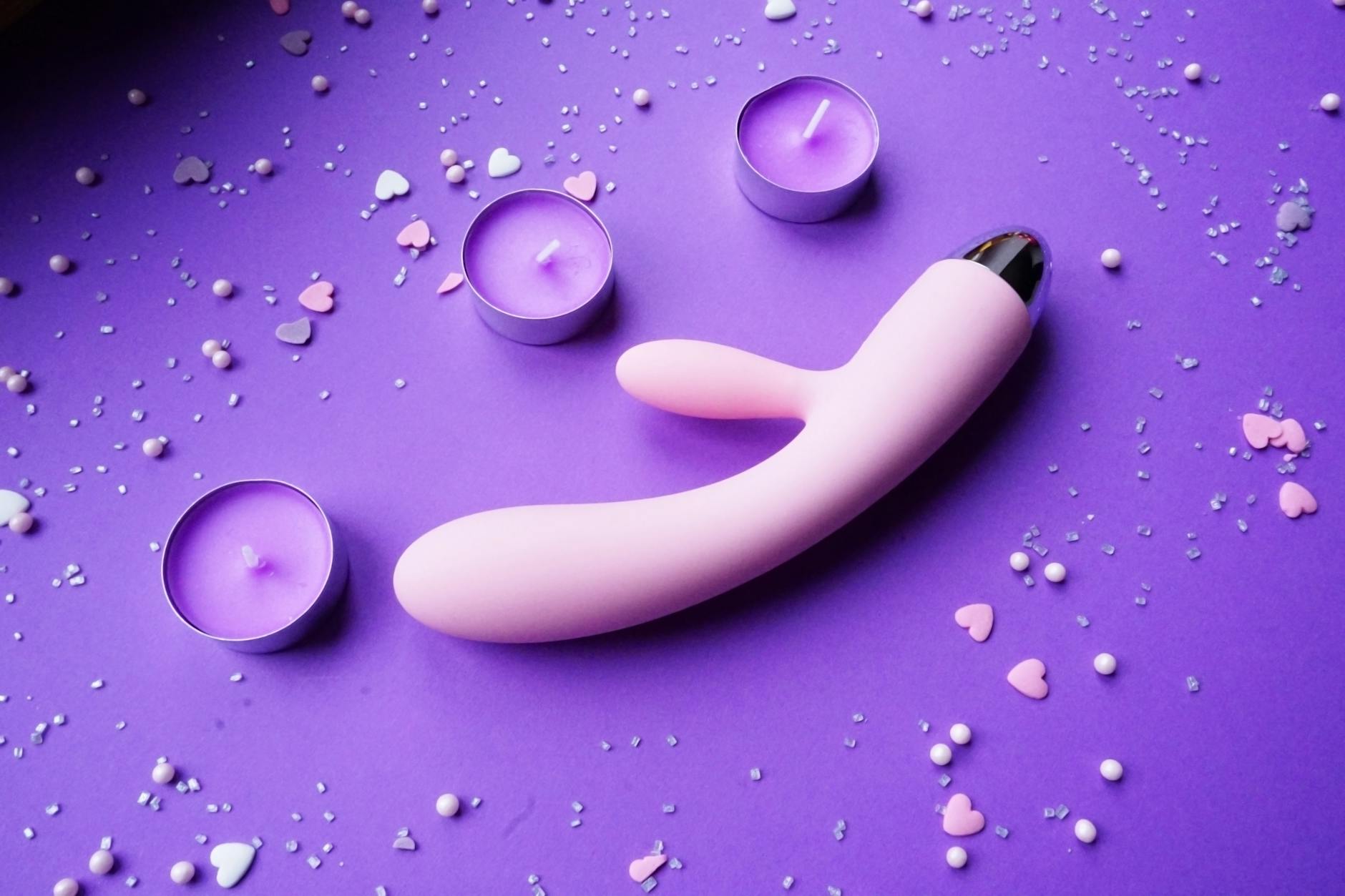
This is where a lemon vibrator enters the picture. Not as a fix, and not as a replacement for the real work. But as a bridge that some couples find makes reconnection actually possible.
Why physical touch becomes dangerous
When trust is broken, your nervous system learns something: this person or this closeness is unsafe. That's not a choice. That's biology. Your body develops what researchers call a "learned alarm response" to touch from that partner. Even if your rational mind knows they're sorry and committed to change, your nervous system doesn't get the memo immediately.
The same thing happens with distance. Long separations (jobs in different cities, caregiving demands, seasonal work patterns) can create touch starvation so complete that resuming physical intimacy feels awkward, vulnerable, almost foreign. Your body has adapted to not needing that input.
Adding a lemon clitoral vibrator into the equation does something specific: it depersonalizes touch just enough to allow pleasure to build without the full weight of relational trauma or distance sitting on top of it.
How a lemon sucker shifts the dynamic
A lemon vibrator (also called a lemon clitoral vibrator or clitoral suction toy) works differently than traditional vibrators. Instead of pure vibration, it uses gentle suction to stimulate the clitoris. That difference matters for couples rebuilding intimacy.
Here's why. Traditional vibration can feel mechanical and goal-oriented. When trust is fragile, goal-oriented sex ("we need to have sex to prove we're okay") is the opposite of what helps. You need pleasure that builds slowly, that feels like exploration rather than performance.
Clitoral suction toys like the lemon vibrator do that naturally. The sensation is gentler, more sustained, and deeply pleasurable in a way that doesn't require the same vulnerability as penetrative sex or direct manual stimulation from a partner.
The four-step protocol for reconnection
Step 1: Start separately.
Before using a lemon vibrator together, spend time with it alone. Your partner doesn't watch. This isn't voyeurism or foreplay. It's you rebuilding your own pleasure signals independently of the relationship. Use it two to four times over a week or two. Notice what settings feel good. Notice whether pleasure is even available to you right now (it might not be, and that's okay). This solo phase is non-negotiable.
Step 2: Introduce it in parallel play.
The next phase is using the lemon vibrator while your partner uses their own hand or a device. You're in the same room, maybe the same bed, but you're not focused on each other's pleasure. You're focused on your own. Your partner might touch themselves, or might just be present and quiet. The point is that you're rebuilding the skill of being vulnerable in the same physical space without the pressure of mutual performance.
Step 3: Move to guided touch.
Once you're comfortable with the toy present, your partner can hold the lemon vibrator while you guide them. Not as the expert or the one in control, but as the one who communicates. "A bit lower. Hold it there. Slower." This hands you back agency in a context where you've felt powerless.
Step 4: Integrate into partnered sex (if you want to).
Some couples stop at step three and that's entirely valid. But others find that once desire and safety have been rebuilt, the lemon vibrator becomes part of their regular partnered intimacy. It's not about the toy fixing the relationship. It's about the toy being a tool that lives in your pleasure landscape now.
The conversation you need to have first
Before any of this, you need to agree on one thing: this isn't about fixing the relationship or proving you're fixed. It's about rebuilding your body's capacity to feel safe and desired.
If your partner thinks the lemon vibrator is a shortcut around the real work (therapy, consistency, honesty), name that directly. If you're using it to avoid deeper conversations about why the distance or breach happened, that's a different problem that the toy will make worse, not better.
The most successful couples I work with are clear about why they're doing this. "We want to remember that we still like each other's bodies." "Physical closeness got lost and we want it back." "We're both nervous and we need something that makes it less high-stakes." Those are solid reasons. "We should be over this by now" is not.
When it helps. When it doesn't.
A lemon vibrator is a tool for couples who have done the basic foundation work: individual therapy, honest conversations, genuine commitment to change from the person who broke trust or created distance.
If you're still in the acute phase of infidelity (lying about it, minimizing it, refusing accountability), no toy is going to help. You need the truth first.
If emotional distance is happening because of ongoing resentment or unaddressed conflict, a vibrator is just a nice distraction. Deal with the underlying issue.
But for couples who have genuinely processed the breach or distance and are ready to rebuild their bodies' sense of safety together, a lemon clitoral vibrator can genuinely shift something.
The science behind why this works
When the nervous system is stuck in a trauma response, adding more stimulation from the source of the trauma often makes things worse. But adding a new, neutral source of pleasure can help the nervous system learn that safety and pleasure are available again, even in proximity to your partner.
The suction sensation of a lemon vibrator engages the parasympathetic nervous system (rest and digest) differently than vibration alone. It's rhythmic, sustained, and it mimics a kind of touch that feels more organic and less clinical. For people rebuilding trust, that distinction is profound.
Your body needs to learn: this partner's presence near me while I'm experiencing pleasure is safe. A lemon clitoral vibrator makes that learning possible without the intensity of direct partnered touch.
The awkwardness is part of it
Chances are it will feel weird the first time. You might laugh. You might feel vulnerable in a way that's uncomfortable. Your partner might feel uncertain about how to hold the toy or what they're supposed to do with their hands or their face. That awkwardness is not a sign it won't work. It's part of the process of learning how to be intimate again.
The couples who move through that awkwardness (usually by talking about it directly, sometimes by laughing, sometimes by trying again the next week) tend to find real relief on the other side.
What doesn't need to happen
You don't need to do this perfectly. You don't need to orgasm the first time. You don't need to feel connected, aroused, or excited yet. You're rebuilding. That takes iterations. You also don't need to buy an expensive toy. A lemon vibrator from Hello Nancy is designed for this exact use case: accessible, intuitive, and effective.
You don't need your partner to be the most skilled with the toy. Most partners figure it out. You definitely don't need to pretend everything is fine when it's not. Use the toy to rebuild your body's sense of safety with this person. Everything else follows from there.
When to bring a therapist into the equation
If either of you is triggered during or after using a lemon vibrator together, pause. That's data. Work with a trauma-informed sex therapist to understand what that trigger means. Sometimes it's old material. Sometimes it's a sign that the foundational trust work isn't done yet. Neither is shameful. Both require attention.
A therapist who specializes in infidelity recovery or long-distance relationship transitions can help you use intimacy tools (including toys) in a way that actually serves your healing rather than bypassing it.
Here's what comes after
Most couples I work with find that once they've used a lemon vibrator to rebuild physical safety and desire, other forms of intimacy become available again too. Kissing. Penetrative sex. Manual stimulation. The toy was the door. What's on the other side is whatever you both want to be there.
The infidelity or distance doesn't disappear. The rebuilding process is long and nonlinear. But your bodies can learn to trust each other again. Sometimes a lemon clitoral vibrator is the thing that makes that learning possible.
FAQ: Reconnecting with a partner using lemon vibrators
How long does it usually take to feel ready to use a lemon vibrator with my partner again?
There's no standard timeline. Some couples are ready within weeks of deciding to recommit. Others need months of therapy and rebuilding first. The marker isn't time. It's when you both agree that solo pleasure is available again and that you're curious (not obligated) about rebuilding physical intimacy together. Solo exploration with the lemon vibrator usually takes two to four weeks before moving to partnered use, but go at your own pace.
What if my partner feels insecure about using a toy during reconnection?
That insecurity is worth discussing directly. Often it's about fear that the toy will replace them, or that their touch isn't enough. Have that conversation separate from the sexual context. Make clear that the toy is a bridge back to each other, not a replacement for them. Some partners feel more confident once they understand how to use it. Offering to let them guide the first solo session you have with them watching (non-sexually) sometimes helps.
Can we use a lemon vibrator if we're not sure we're actually going to stay together?
Yes, and you should know that going in. If you're unsure about the relationship, the lemon vibrator isn't where you'll find your answer. But it's a fair tool for exploring whether your bodies still want to be intimate. That can be one piece of the bigger decision. Just be honest about the uncertainty.
Should we be using a lemon vibrator during sex or just for foreplay?
Both are fine. Some couples use it during foreplay to build arousal. Others incorporate it into partnered sex. There's no rulebook. Start with whatever feels least intimidating, and let it evolve from there. If you're rebuilding after infidelity or distance, starting with foreplay or solo use tends to feel more manageable than incorporating it into full sex right away.
What if I still feel numb during sex, even with the lemon vibrator?
Numbness is a common protective response after trust has been broken or after long periods of distance. It doesn't mean the relationship can't heal or that pleasure can't return. It means your nervous system is still protecting you. This is worth bringing to a therapist, especially one trained in somatic (body-based) approaches. The lemon vibrator can help, but sometimes you need additional support to release that protective numbness.
Is it better to buy a new toy together or use one I already have?
Buying a new toy together can feel symbolic. It marks a fresh start and involves both of you in the decision. But if you already have a lemon vibrator and you're both comfortable with it, that's fine too. The toy matters less than your readiness to use it as a reconnection tool.
Rebuilding physical intimacy after infidelity or distance is some of the hardest work a couple can do. Your bodies have learned to protect themselves. A lemon clitoral vibrator won't undo that protection, but it can help your nervous system learn that safety and pleasure are possible again, even with this person. That learning is the foundation everything else builds on.