Let's start with the obvious part nobody says out loud
Kids destroy your sex life. Not metaphorically. Literally. There's a reason sex researchers call the postpartum phase "the intimacy cliff." One partner is touched out from constant physical contact with a small human. The other is touched out from emotional labor. Neither of you has slept in three years. The idea of sex feels like another chore on a list that already has forty-seven items, none of which are "pleasure."
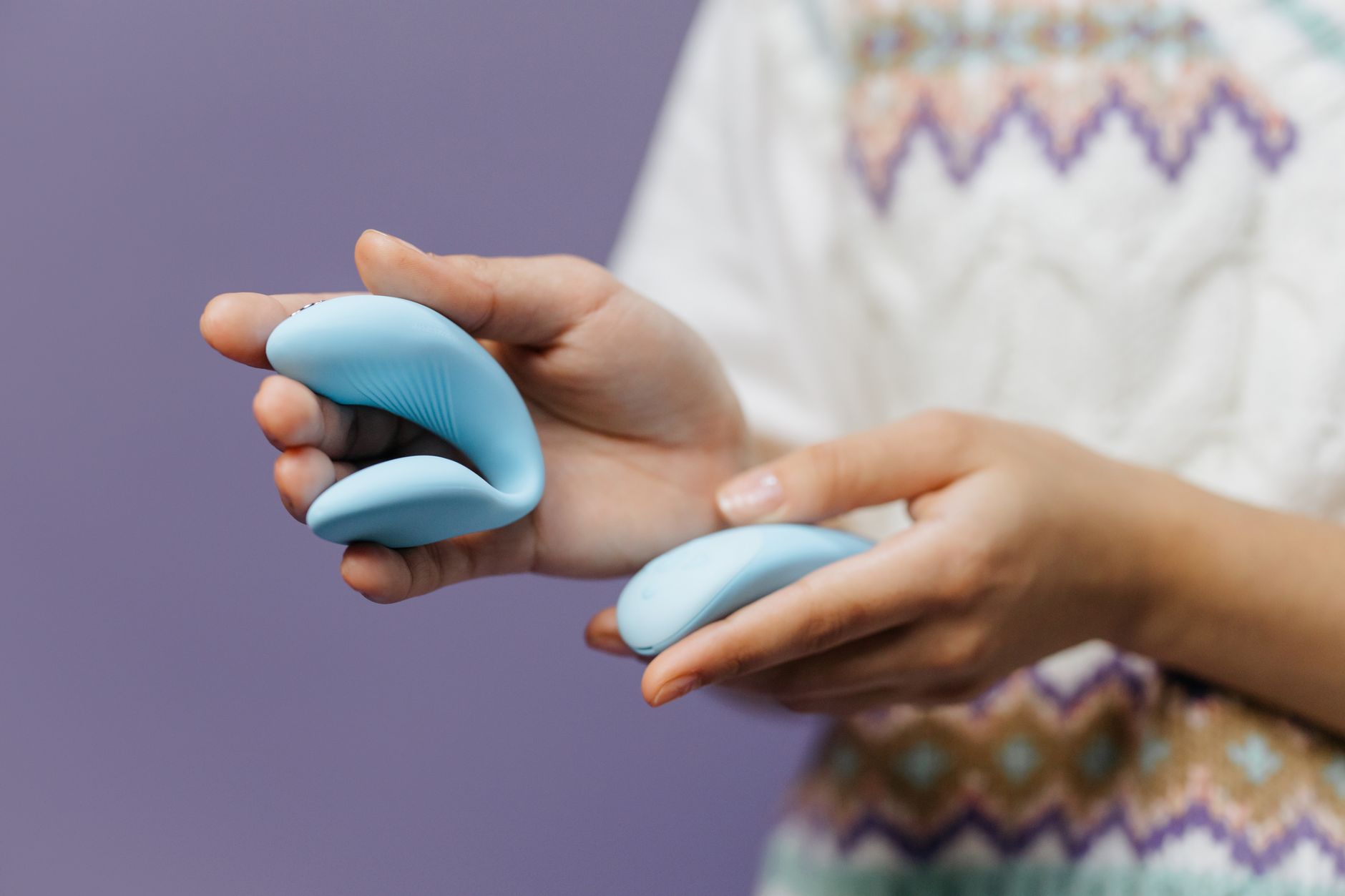
Here's the thing though: couples who rebuild intimacy after kids often report better sex than they had before. That sounds like a lie. It's not. It requires intentionality, low pressure, and sometimes the right tool. A Lem clitoral vibrator can be that tool.
Why desire actually changes (and it's not just exhaustion)
Yes, you're tired. Yes, there's no time. But the neurochemistry is also real. Parenthood pumps your system full of cortisol and oxytocin. Cortisol is a stress hormone that directly suppresses sex hormones. Oxytocin is a bonding hormone that bonds you to your kids, but it also redirects the sexual-arousal version of bonding.
Adding a partner's need for sex to your overwhelm list doesn't help. It makes it worse. The solution isn't more communication about sex. It's removing the pressure around sex entirely and rebuilding pleasure as something light, low-stakes, and entirely about sensation.
A clitoral vibrator like the Lem does that. It's not about performance. It's not about duration. It's about two people reconnecting through something that feels good.
The permission shift that matters
Here's what I've seen work with dozens of couples: using a vibrator removes the mental load of arousal. Instead of "Am I aroused yet? Should I be aroused? Why is this taking so long?" it becomes "Oh, that feels good." The Lem's suction stimulation works fast because it doesn't require the kind of mental focus that regular vibration does.
For the partner watching, it also shifts the dynamic. You're no longer performing. You're witnessing pleasure. There's a weird intimacy in that. You get to see what actually turns your partner on instead of guessing. You get to be part of creating that feeling instead of being the sole source of it.
That's permission you both need after kids.
How to actually start (the practical part)
Don't make it a big production. Seriously. The moment it becomes "special sex night" with candles and a plan, half of you will bail because someone will need a snack or a bathroom run or to know where their soccer uniform is.
Start smaller. When a kid is at school or asleep, take five minutes. One person uses the Lem while the other is just... there. Touching your back, kissing your neck, making it feel partnered instead of solo. That's it. That's the whole plan.
The Lem is fast. Six out of ten women reach climax in under two minutes on the first try. You're not looking for marathon sessions. You're looking for a reconnection. Five to ten minutes of actual touch and shared focus does that.
Setting your own baseline (here's what works)
After years of being touched out, your nervous system often needs a reset. This is where couples get it wrong. They think they need to rebuild desire through conversation or date nights. Sometimes that helps. But what actually works is rebuilding tolerance to pleasure.
Start with the Lem on the lowest setting. The suction is gentler than you'd expect. Use it a few times solo first if you want. Get comfortable with the sensation. Then introduce your partner. Let them hold it. Let them watch. No climax required.
The pleasure pathway in your brain has been dormant. You're not trying to jump straight to orgasm. You're waking up the "this feels good" part of your nervous system first. That takes patience, but it's much faster than trying to force desire back through willpower.
When one partner is still touched out (the real friction point)
This is the biggest trap couples fall into. One person is ready to rebuild intimacy. The other still feels crowded in their own body. Introducing a vibrator can actually help here because it removes the request for penetrative sex. It's about clitoral pleasure only. It's faster. It's finite.
The partner who's touched out gets to stay clothed if they want to. They can be present without having to receive penetration. They can touch their partner's arm or back while the Lem does the work. It feels partnered without feeling like sex.
I've had couples tell me this was the turning point. One person got their pleasure back. The other person didn't feel obligated to perform a specific role. Everyone's needs got met without resentment.
The speed advantage (and why it matters after kids)
The Lem's suction technology is different from traditional vibrators. It stimulates the clitoris through gentle suction rather than vibration. That changes everything when you're working with a nervous system that's been in survival mode.
Why? Because suction triggers arousal faster. Your brain doesn't have to work as hard. You're not lying there waiting to feel something. You feel it immediately. That matters when you have forty-five minutes max before someone needs you again.
That's not romantic. It's also not the point. The point is that you get to have pleasure without it becoming another stressor.
What to expect the first few times (reality check)
It might feel weird. That's normal. Your partner watching you use a vibrator might trigger thoughts like "Is he bored with me?" or "Is she embarrassed?" Those are old stories. He's probably just relieved you're relaxed. She's probably just grateful she doesn't have to perform.
Your body might not respond the first time. That's also normal. You might need three or four tries before your arousal system remembers how to wake up. Don't panic. Don't push it. Just try again in a week.
You might have an orgasm and feel nothing, or feel everything, or feel confused about what you felt. That's your nervous system coming back online. All of those responses are fine.
Building it into your actual life (the sustainable part)
Couples with kids can't do spontaneous sex anymore. So stop trying. Pick a realistic window. Sunday morning while your kid watches a show. Tuesday evening after bedtime. One thirty-minute block a week where you both know sex is on the table.
That sounds unsexy. It's actually the opposite. You stop resenting the ask because it's predictable. You can actually prepare mentally. You might even look forward to it.
Use the Lem once or twice a week in that window. Not every time you have sex. But enough that your body remembers pleasure. After a few months, you'll probably notice desire starting to creep back in on non-scheduled days too.
When to bring your partner more directly into it
After a few solo sessions with your partner present, you might want them more involved. They can apply the Lem while you focus on kissing or touching them. They can use it as foreplay while they enter you. They can watch while you use it, which surprisingly many people find deeply hot once the initial awkwardness wears off.
There's no script for this. You figure it out together. The Lem just removes one barrier. It gives you a concrete thing to do that isn't "try harder to feel desire."
The emotional piece (which is actually everything)
Using a vibrator together after years of touching out is a form of radical honesty. You're basically saying "My body has changed. My desire has changed. I need help. Let's figure this out together." That vulnerability often rebuilds more intimacy than the sex itself.
Couples often tell me that introducing the Lem forced them to actually talk about sex for the first time in years. What felt good. What didn't. What they were scared of. What they wanted to try. That conversation doesn't happen in a sexless marriage. It happens when you're actively working toward pleasure together.
Real timeline (don't expect overnight fixes)
Desire doesn't snap back because you bought a vibrator. It takes time. Most couples see a shift in three to four weeks of consistent use. By two months, they're initiating sex outside their scheduled window. By four months, they're often back to something that feels recognizable.
But here's what matters: you're not trying to get back to the sex you had before kids. You're building something new. Something that fits your actual life. That's usually better than what came before.
FAQ
How do I bring this up without making it weird?
Honesty works. "I miss us. I've been so touched out that sex feels like another thing I'm supposed to do. I found this clitoral vibrator that might help both of us reconnect without pressure." Your partner probably wants this too. They're just scared to ask.
Will using a vibrator make me come to depend on it?
No. Dependence isn't physical with vibrators. It's psychological, and it's rare. What actually happens is that your arousal system remembers how to wake up. Then you can access that without the toy. The Lem is the bridge, not the destination.
What if my partner feels insecure about the vibrator?
Talk about it directly. His insecurity is usually about feeling replaced, not about the vibrator. Frame it as "I want us both to feel good," not "I need this because you're not enough." Then show him. Most insecurity melts when he sees how much pleasure it gives you and how much he gets to be part of that.
How often should we use it?
Once or twice a week is plenty. More than that and you might desensitize yourself again. Consistency matters way more than frequency. Use it every Tuesday and Thursday, or every Sunday morning. Your nervous system likes predictability.
Can we use it during partnered sex?
Absolutely. Some couples use the Lem during penetrative sex to add clitoral stimulation. Some use it as the main event and skip penetration entirely. There's no right answer. You figure out what works for both of you.
What if it still doesn't work?
Then you need a different conversation. Sometimes desire doesn't come back because the relationship has other issues. Sometimes it's a medical thing (low testosterone, thyroid issues, medication side effects). A good couples therapist or a doctor who specializes in sexual health can help sort that out. A vibrator is a tool, not a cure.
Rebuildung desire after kids isn't about romance or spontaneity or pretending you still have the bandwidth you did before children. It's about meeting yourself and your partner where you actually are. It's about removing barriers to pleasure. It's about remembering that you're both still people who deserve to feel good.
The Lem clitoral vibrator can be part of that. Not because it's magic. But because it lets you focus on sensation instead of performance. It gives you permission to take pleasure as it comes. It reminds you both that you're more than the sum of your parenting duties.
Start small. Start light. Start with curiosity instead of expectation. Everything else follows from there.
Have questions about how to rebuild intimacy with your partner? We're here to help. Get in touch with us.