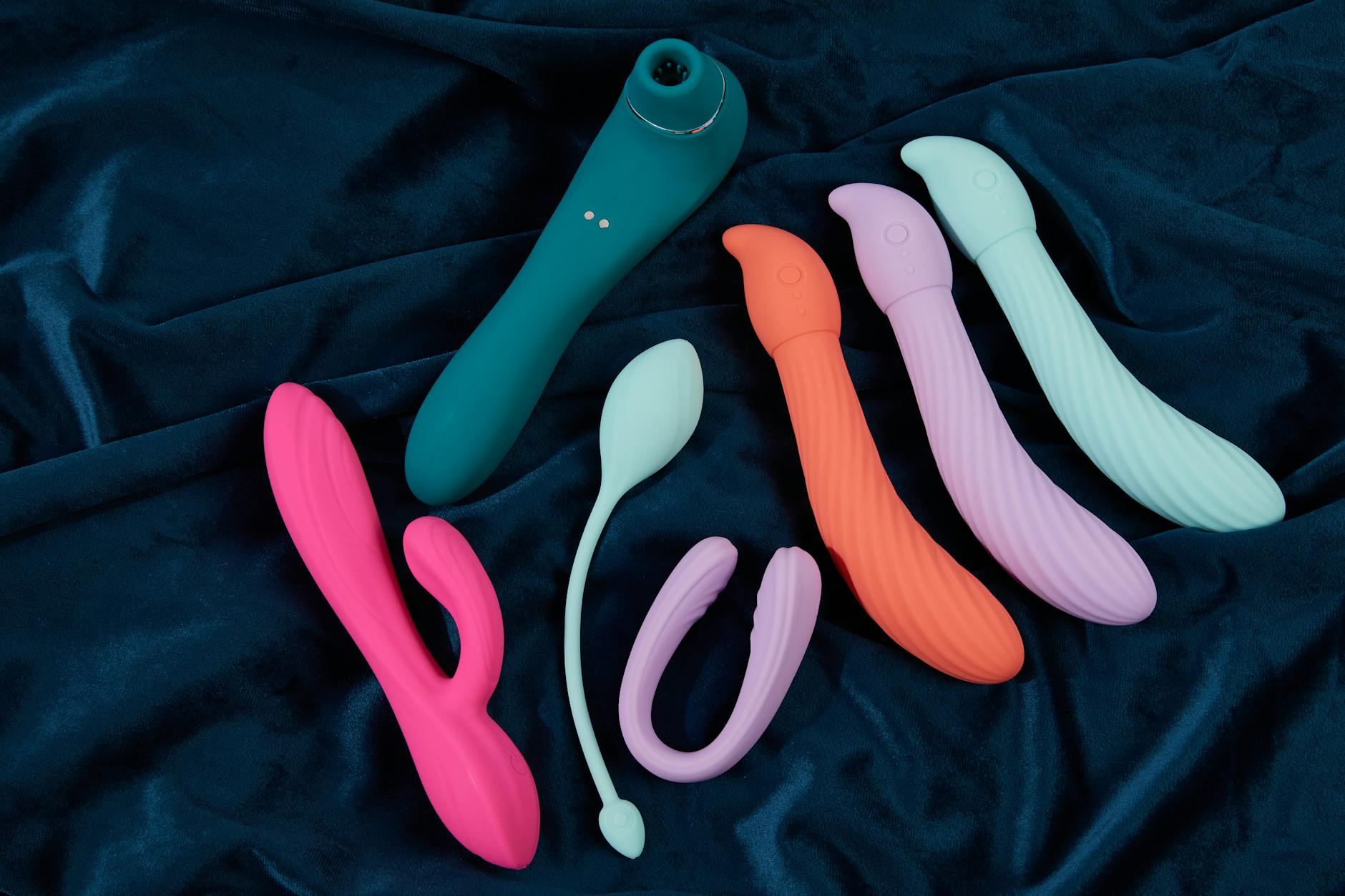
Let's name the problem first
Mismatched libido ends relationships. Not always immediately. Usually it festers for five or seven years, disguised as "we just grew apart" or "the spark died." But the real story is simpler: one partner wants sex more than the other, neither person knows how to talk about it without shame or rejection, and both start keeping score.
Here's what I see in my practice. The higher-desire partner feels unwanted. The lower-desire partner feels pressured. Both feel guilty. Neither feels heard. A lemon vibrator won't fix a broken conversation, but it can start one.
Why libido mismatch is actually about three different things
Most couples think desire gaps are binary. You either want sex or you don't. Wrong. What actually creates the gap is that desire is built from three separate systems that don't always sync up.
First is baseline sex drive (hormonal, neurological, and genetic). Second is responsive desire (how quickly arousal builds when someone is touching you). Third is willingness (your emotional availability, stress level, feeling valued by your partner). A lemon vibrator helps with the second and third. It does nothing for the first, which is why this matters.
If your partner has a lower baseline drive, no toy changes that. But if they're willing but their body takes longer to warm up, or if they're emotionally closed off because they feel pressured, a lemon vibrator can shift both of those things.
Why lemon suction toys work differently in mismatched-drive couples
Traditional vibrators demand a decision. "Do you want to use this toy now?" That question sits between partners like a loaded gun. The lower-desire person feels it as pressure. The higher-desire person feels rejected if the answer is no.
A lemon vibrator works differently because it's often something the higher-desire partner uses on themselves while the other person is present. This sounds small. It's not. It removes the yes-or-no gate. It lets the lower-desire partner watch, participate in a smaller way, feel close without performing. Many couples tell me this is the first time they've felt intimate in years without it feeling like an obligation.
The suction sensation of a lemon clitoral vibrator also builds responsive desire faster than direct vibration. People often report arousal climbing without them having to "get in the mood" first. For someone with a lower baseline drive, faster arousal response can mean the difference between saying no and saying yes.
The conversation you need to have before you use it together
Not during sex. Not when someone is naked. When you're both clothed, fed, and have at least 20 minutes. Here's what I recommend saying.
"I've noticed we want sex at different times, and I don't think either of us is doing this on purpose. I don't want to feel like I'm chasing you, and I don't want you to feel pressured. So I'm wondering if we could try something that takes pressure off both of us. I found this thing called a lemon vibrator. It's not about fixing anything. It's about seeing if there's a way to feel close that works for both our bodies."
Then stop talking. Let them respond. If they're defensive, don't defend yourself. If they're curious, say: "I think what might help is if you could use it on yourself while I'm in the room. No expectations. Just exploration."
This shifts the dynamic from "you need to fix your desire" to "how can we both feel good." That matters.
How to actually use it when someone's resistant
Start alone. The higher-desire partner explores first. Use a lemon vibrator solo, let your body tell you what feels good, then casually mention it to your partner. "That thing you were skeptical about? It actually feels amazing." This is unsexy and effective. It removes mystery and threat.
Second step: invite presence without participation. You're using the lemon clitoral vibrator, they're beside you. Reading, watching, whatever. Closeness without obligation. Many couples report this is where responsive desire starts building for the lower-desire partner. Watching someone enjoy their own body is a powerful turn-on for people who feel pressured.
Third step: they touch you while you use it. Not "have sex." They stroke your arm while you use a lemon vibrator on yourself. This is foreplay. It's intimate. It's low-stakes.
Fourth step: mutual. You both decide if that's even what you want. Some couples never get here. That's fine. The point isn't full-blown sex. The point is: you feel wanted, they feel close, neither person feels obligated.
The emotional work underneath
A lemon sucker won't fix resentment. If the lower-desire partner is angry (at their partner, at life, at their own body), they need to address that first. Not with a vibrator. With a therapist, often alone before couples work.
If the higher-desire partner is taking it personally ("they don't find me attractive"), that narrative also needs work. Sometimes mismatched libido has nothing to do with attraction. Sometimes it's stress. Sometimes it's untreated depression. Sometimes it's a hormonal shift. Sometimes it's that they're touched out from kids or work, and their nervous system needs space before it can relax into pleasure.
Honestly, the couples who use a lemon vibrator successfully are the ones who've already had that conversation separately. They know what they're dealing with. The vibrator just gives them a language to move forward.
When you actually need help
If using a toy together creates a fight, don't keep pushing. Stop and get support. A sex therapist (not a regular therapist) can help you figure out if the real issue is desire, communication, resentment, or something else entirely. Many couples avoid this because they think asking for help means the relationship is broken. The opposite is true. Asking for help means you're serious about fixing it.
If the lower-desire partner is experiencing pain, numbness, or zero arousal even in non-pressured settings, that's medical. Get it checked. Thyroid issues, antidepressant side effects, hormonal shifts. Those are real barriers that a lemon vibrator can't solve.
If the higher-desire partner is using the vibrator to shame the lower-desire partner ("at least this thing gets me off"), that's not about libido. That's emotional abuse. That needs different intervention entirely.
What actually shifts
I've watched couples come back to see me after three months of using a lemon vibrator together and say: "We fought less. We felt close again. We actually want each other more because we're not forced." That's the pattern.
You don't fix mismatched libido by ignoring it or by forcing it. You fix it by removing shame, creating low-stakes intimacy, and building responsive desire back. A lemon clitoral vibrator is a tool. The real work is the conversation.
People also ask
Does using a vibrator mean my partner isn't enough for me?
No. If anything, it usually means the opposite. Couples who introduce toys are typically trying to stay together, not running away. A vibrator is a third voice in the room, not a replacement for your partner. It's often what lets lower-desire people feel desire again because they're not in fight-or-flight.
Will a lemon vibrator fix our relationship?
No. A vibrator is a tool for intimacy, not a therapist. If your relationship has bigger issues (infidelity, addiction, abuse, contempt), a toy won't touch that. But if your main struggle is "we don't feel close" or "sex has become transactional," then yes, it can help restart something real.
My partner doesn't want to try this. Is that a dealbreaker?
Not necessarily, but it's worth understanding why. Are they uncomfortable with toys in general? Do they feel pressured? Are they ashamed? Those are different conversations with different paths forward. If they're refusing because they genuinely don't care about the relationship, that's worth facing honestly.
How often should we use it?
There's no schedule. Using it twice a month means something different than twice a week. The goal isn't frequency. It's that both of you want it. Start with no expectations. Let the rhythm emerge.
What if I have a lower sex drive and I feel guilty?
Stop. Guilt doesn't fix this. Understanding does. If you want to reconnect with your partner, you deserve to explore what blocks you from desire without shame. That might be stress, hormones, touch starvation, resentment, or just your baseline nature. A lemon vibrator might help you discover it. Therapy will help you work with it.
Can a lemon vibrator help if we're in a sexless marriage?
Maybe. If both people are willing to try. If one person has completely checked out, no toy helps. But if the issue is "we've lost touch and we want back in," then exploring together can restart that circuit. It's scary, but it often works.