Let's name what just happened
A relationship ending, whether through divorce or breakup, leaves you untethered in ways that go way beyond the emotional. Your body had a rhythm with another person. Sex, touch, intimacy—they were all partnered experiences. Now you're solo again, and your nervous system doesn't quite know what that looks like yet.
The shame or awkwardness people sometimes feel about solo pleasure after a split is real, but here's the thing: rediscovering your own desire isn't selfish recovery. It's actually the most grounded way to rebuild. You're not looking for validation from a partner or proof that you're still desirable. You're learning, from scratch, what feels genuinely good to you.
Why solo pleasure matters right now
There's something radical about touching yourself without an audience—real or imagined. During a partnership, even unconsciously, you're often calibrating your responses. What does your partner like? Am I taking too long? Should I be more vocal? After a split, all that mental noise can finally quiet down.
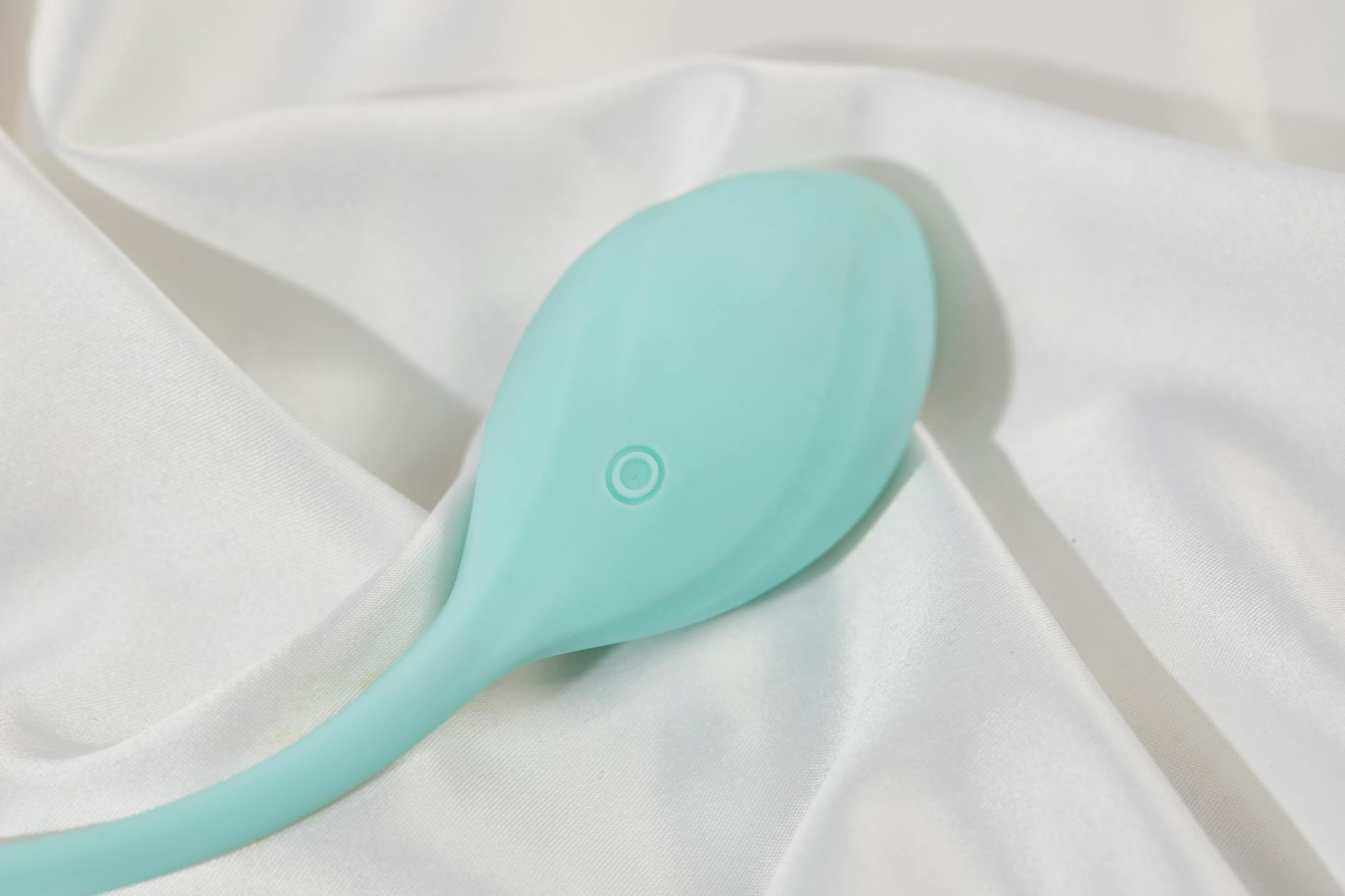
A lemon vibrator—with its distinctive suction mechanism—makes this easier because it requires less interpretive work. Traditional vibrators need rhythm, angle adjustments, pressure calibration. The Lem's suction technology does much of that thinking for you. You set it, you feel what happens, you notice. That's it. No performance anxiety built into the tool.
Research on solo sexuality shows that pleasure during solo sessions often feels more reliable and intense than partnered sex because there's zero relational dynamic. Your only job is to pay attention to your own body. For someone rebuilding confidence, that simplicity is everything.
The emotional permission piece (it matters)
Honestly, the biggest hurdle isn't the how. It's the permission. Some people feel like using a vibrator after a breakup means giving up on partnered sex. Others worry it's too soon, or that they should be grieving instead, or that self-pleasure is somehow less valid than shared pleasure.
It's none of those things. Solo pleasure and partnered pleasure aren't opposing forces. They're different chapters of the same book. Right now, you get to write the chapter that's just about you.
If you're carrying guilt about this—maybe from a religious background, or messages you absorbed about what women "should" do—name it. That guilt isn't protection. It's just noise. You deserve to feel good in your own body, full stop.
Starting solo: the practical steps
When you're ready (no rush, no deadline), here's how to ease back in.
Create a space that's yours. Not a space waiting for someone else to join, not a space that feels like a secret shame corner. Just a place where you feel comfortable and where you won't be interrupted for 20 minutes. Bedroom, locked bathroom, living room after dark—whatever.
Start with yourself, not the toy. Spend 5 to 10 minutes touching your body however feels good. No goal, no destination. Just noticing. What parts of your body actually feel good to touch right now? Where do you want attention? This isn't foreplay. It's reconnaissance.
Use a lemon vibrator on the lowest settings. The Lem and other lemon clitoral vibrators have pattern options and intensity levels. Start at pattern 1, lowest intensity. You're not trying to come immediately. You're learning how this particular type of stimulation feels against your body.
Pay attention without judgment. If it feels amazing, great. If it feels weird, that's information too. If you feel nothing, that can mean your nervous system is still in protection mode. All of it is normal.
What's different about lemon vibrators for this moment
Lemon suction toys work differently than traditional vibrators. Instead of a buzzing or thrusting motion, they use gentle air-pulse technology that mimics the sensation of oral sex. For someone coming out of a relationship, this matters because the sensation is novel and separate from partnered sex patterns.
It doesn't feel like something your ex would have done. It doesn't trigger muscle memory or comparison. It's its own thing.
Also practically: lemon vibrators tend to have longer battery life and quieter operation than traditional vibrators, which matters if you're in shared housing or still figuring out your living situation post-split. And the suction mechanism is less intense on raw, sensitive tissue, which can happen when you're stressed or grieving.
The self-talk that actually helps
When you're using a lemon vibrator solo after a breakup, you might notice critical thoughts showing up. "I'm being desperate." "I should be doing something more productive." "Real pleasure happens with another person." That's your nervous system still running old programming.
Here's what actually works: thank the thought and redirect. "That's old messaging. Here's what's true right now: my pleasure matters. This is self-care. I deserve to feel good." Sounds simple, but the repetition genuinely rewires how you experience the activity.
Some people find it helpful to set an intention before starting. Not a goal—not "I will definitely orgasm." An intention, like "I'm spending this time getting to know my body again" or "I'm giving myself permission to feel good." It anchors you to the actual point of the exercise, which is reconnection, not performance.
When it might feel strange
If you were in a longer partnership, your body might have gotten used to certain types of touch and rhythm. Going solo again can feel disorienting. You might experience numbness at first, or feel self-conscious, or find that you take much longer to become aroused. That's grief. Your nervous system is adjusting.
Some people also find that after years of partnered sex, solo pleasure feels almost foreign. You might need to rebuild your solo repertoire—what fantasies work for you when you're not thinking about someone else's preferences, what positions feel good without accommodation, what rhythm your body actually wants without compromise.
That learning curve is part of the value. You're not just recovering. You're actually discovering yourself in a new way.
The confidence piece
Using a lemon vibrator solo isn't just about physical pleasure. It's about reclaiming your body as your own. Every orgasm—whether it happens quickly or takes patience—is proof that you're still you. You're still desirable. You still have desires. You're whole without being partnered.
Over time, this practice genuinely shifts how you move through the world. You're less desperate for external validation because you know your own capacity for pleasure. You know what you want. You know what you don't. That's magnetic.
If and when you partner up again, this solo time will have taught you something invaluable: what actually feels good to you, separate from what you think you "should" like or what you've been conditioned to want. That knowledge is the foundation for better partnered sex later.
FAQ: Solo pleasure after a split
Is it too soon after my breakup to start using a vibrator?
There's no timeline. Some people feel ready within weeks. Others need months. The question isn't "Am I allowed yet?" but "Does this feel manageable right now?" If you're in acute grief, maybe not. If you're curious and stable enough to be alone in a room for 20 minutes without spiraling, you're probably fine. Trust yourself.
Will using a vibrator solo affect my ability to have sex with a partner later?
Nope. If anything, the opposite. Solo pleasure teaches your nervous system what arousal actually feels like and what rhythm works for you. That knowledge makes you a more present, confident partner later. Nothing about a lemon vibrator or any toy interferes with partnered sex capacity.
What if I can't orgasm right now?
Stress, grief, and nervous system dysregulation can absolutely suppress orgasm. If you're using a lemon vibrator and nothing's happening, that's not a failure. It's information. Your body might need more time to settle. You might need to focus more on sensation and less on outcome. You might need a therapist in addition to a vibrator. All of that is okay.
Is solo pleasure selfish or less valuable than partnered sex?
Absolutely not. Solo pleasure is the one sexual experience where you answer only to yourself. No compromise, no accommodation, no performance. That specificity actually makes it more valuable right now, not less. You're not choosing solo pleasure over partnership forever. You're choosing to rebuild your relationship with your own body in this season.
Should I tell anyone I'm using a vibrator?
Nope. This is for you. You don't owe anyone updates on your healing process or your solo sex life. If you live with roommates and want privacy, lock a door. If you live alone, you get to use your own space however you want. No explanation needed.
How often should I be doing this?
Whatever feels sustainable and good. Some people do it weekly. Some do it daily. Some go a month without and then return to it. There's no right frequency. The point is that you're giving yourself permission to feel good, not adding another obligation to your grief recovery checklist.
Moving forward
Rediscovering solo pleasure after a relationship ends isn't about bouncing back or "proving" you're fine. It's about meeting yourself where you are, gently and without pressure. A lemon vibrator is just a tool. The real work is permission—the permission to prioritize your own sensation, to trust your body again, to believe that you're worthy of pleasure just because you exist, not because you're with someone.
That's the work. That's the healing. Everything else—including the vibrator—is just infrastructure.
Ready to rebuild your pleasure practice? Start with exploring what tools and spaces feel right for you. And remember: you're not starting from zero. You're starting from yourself. That's everything.
If you're navigating other aspects of post-breakup recovery, from communication with an ex to rebuilding your identity outside of partnership, I'm here to help. Reach out at /contact to talk through what you need right now.