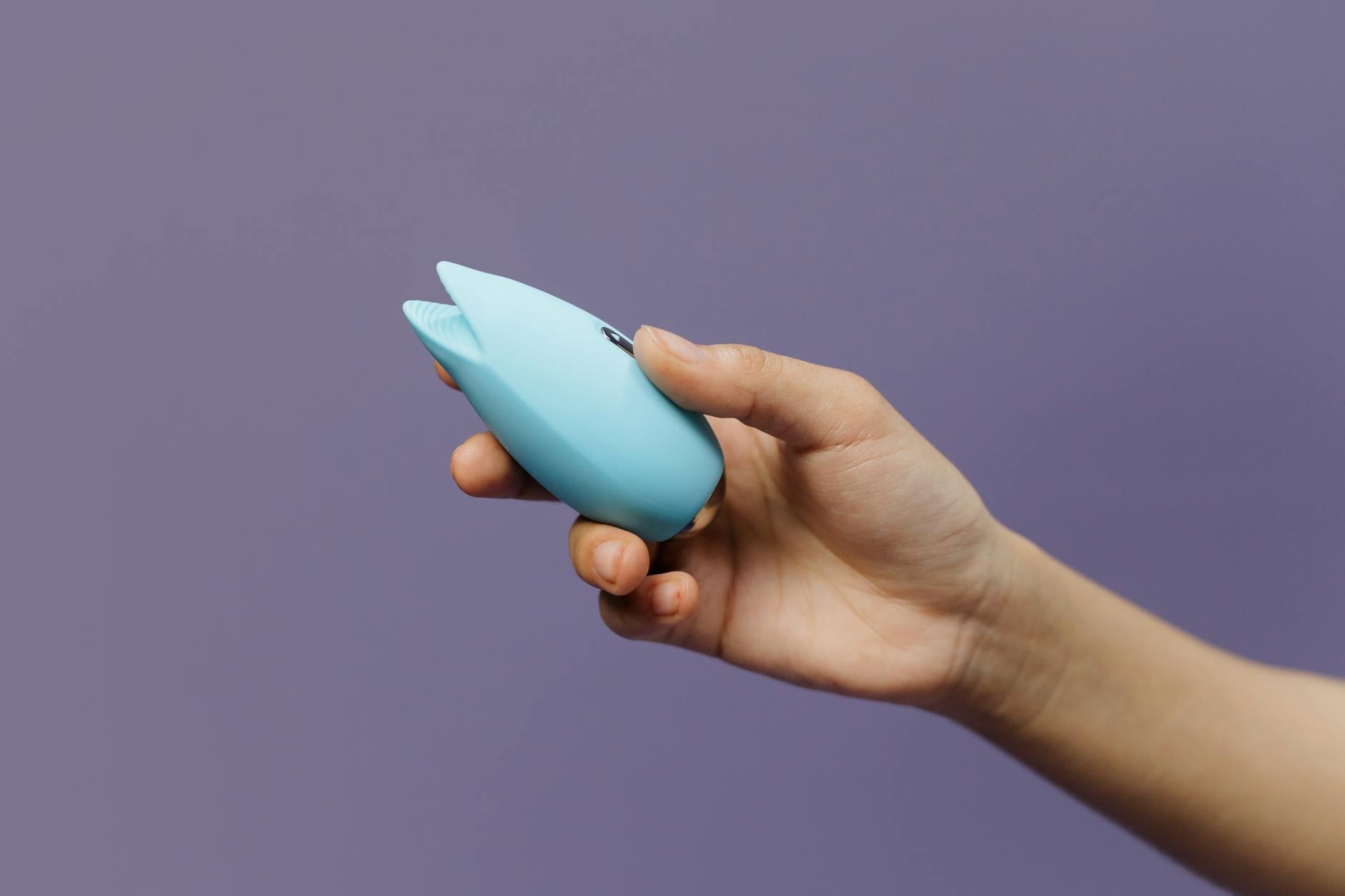
Why your lemon vibrator doesn't feel the same twice
Let's be real: you use your lemon vibrator one week and it feels like fireworks. The next week, same toy, same settings, and suddenly it's more like a gentle hum with an okay ending. You might assume something's wrong. Usually, nothing is. Your body and mind shift constantly, and that shift changes everything about how pleasure feels.
I've worked with hundreds of people navigating this exact frustration, and the pattern is always the same. The body isn't broken. It's just responsive. Understanding what causes the variation helps you stop chasing "perfect" and start working with what you actually have on any given day.
The role of arousal timing and mental state
Your brain is the most powerful sex organ you have. I know that sounds like a greeting card, but neurologically it's true. Arousal doesn't start with physical touch. It starts upstairs.
When you're stressed, distracted, or running on fumes, your brain isn't sending the right signals to your body. Cortisol (the stress hormone) directly suppresses desire pathways. Exhaustion dampens sensitivity. A difficult conversation with your partner an hour before can hijack your entire nervous system.
The lemon vibrator's suction mechanism works best when your parasympathetic nervous system (the relaxation mode) is activated. If you're halfway in and halfway out, caught between work email and pleasure, your body will reflect that split focus. Full arousal takes mental commitment, even if it's just five minutes of actual breathing and settling in before you begin.
One client described it perfectly: "It's the difference between showing up and being present." Same toy. Different headspace. Wildly different result.
Hormonal cycles and tissue responsiveness
Even if you're not menstruating anymore, hormones still fluctuate. Estrogen peaks and dips. Testosterone shifts. These aren't tiny changes. They alter blood flow to the clitoris, tissue thickness, and how quickly nerve endings fire.
During the follicular phase (the first half of a cycle, if you menstruate), estrogen is climbing. Blood flow increases. Nerve sensitivity is typically higher. The same vibrator setting that felt intense last week might feel softer this week simply because estrogen is lower right now.
Your clitoris also has a refractory period, just like any other body part. If you've had multiple orgasms in quick succession, sensation naturally softens. The tissue needs a moment to reset. That's not numbness. It's your body's built-in brake system.
Age compounds this too. After 40, estrogen production becomes less predictable. The clitoral tissue thins slightly. Some people report that sensation feels concentrated in a smaller area rather than diffused. Others find they need longer warm-up time. Neither is a loss. It's just different calibration.
Lubrication and tissue readiness
Let's talk about the thing everyone's embarrassed to mention: sometimes your body just isn't as slick as other times, and that changes how suction feels.
Natural lubrication varies based on hydration, hormones, time since last orgasm, and how ready your body actually is. If you're using a lemon clitoral vibrator with less lubrication, the suction grips differently. It can feel more intense, or it can feel less comfortable.
That's why water-based lubricant isn't a sign of failure. It's a tool. On days when your body isn't producing enough natural lubrication, adding a bit externally makes the experience smoother and lets you feel the suction properly rather than fighting friction.
Dehydration is a hidden culprit too. If you've been drinking coffee all morning and barely any water, tissue responsiveness drops. It sounds basic, but hydration genuinely affects sensation. So does alcohol, which dampens nerve sensitivity even though it might lower inhibitions.
Physical fatigue and nervous system state
Your body can't prioritize pleasure when it's running on empty. If you're exhausted, recovering from illness, or haven't slept well, your nervous system is in sympathetic mode (fight-or-flight). That's the wrong state for the kind of relaxation orgasm requires.
Fatigue also slows down physical response time. Your clitoris might need longer to engorge. Orgasm might take longer to build. Some people find that sensation feels duller entirely. That's not permanent. It's just your body's current capacity.
The solution isn't to push harder. It's to work with what's available. On low-energy days, lower intensity settings on the lemon vibrator often work better than trying to chase what you felt when you were fully rested.
Partner presence and relational dynamics
If you're using the lemon vibrator solo, this section might seem irrelevant. It often isn't. Your relationship with your partner (or their absence, or recent conflict) lives in your nervous system.
I work with couples who report that pleasure shifts dramatically depending on the emotional temperature of the relationship that day. After a fight, orgasms feel hard to access. After genuine connection, the same toy produces deeper sensation. That's not because the toy changed. It's because your body's willingness to open up changed.
Even solo, relational stress affects you. If there's distance, resentment, or unresolved tension with a partner, your body often mirrors that. Pleasure requires a baseline of safety. When emotional safety feels threatened, sensation diminishes.
Pelvic floor tension and relaxation capacity
Here's something almost nobody talks about: your pelvic floor can be too tight for pleasure to feel good.
The pelvic floor muscles surround your clitoris. When they're tense (from stress, anxiety, or literally just holding tension all day), they restrict blood flow and dampen sensation. You might squeeze during climax, which is normal, but if they're pre-contracted, your nervous system can't access the full range.
Some days your pelvic floor is relaxed. Other days it's wound up. On wound-up days, even the best lemon vibrator can feel frustrating. Sensation might feel blocked. Orgasm might require significantly more time and intensity.
Pelvic floor release work (reverse Kegels, deep breathing, gentle stretching) can shift this dramatically. But first, you have to notice it's happening.
Sensitivity changes from frequency and recovery
There's a real phenomenon where regular use of a lemon vibrator can shift how sensitive your clitoris feels. This isn't because the toy is broken or you've become numb. It's because nerve endings adapt to repeated stimulation.
This is called habituation, and it's a normal neurological response. Your body becomes accustomed to a stimulus, so it requires slightly more intensity to feel the same sensation. It doesn't mean you're damaged. It means your nervous system is doing exactly what it's supposed to do.
The solution is often a break (even just a few days), or rotating between different sensations. If you use suction constantly, adding a vibration-only toy to the mix can reset sensitivity. Varying intensity and pattern also helps. Your clitoris responds to novelty.
What actually helps: working with variation
Here's the actionable part. Stop expecting every session to feel identical. That's not how bodies work.
Instead, track what's happening on days when sensation is strong versus softer. Are you more rested? More hydrated? In a different part of your cycle? More emotionally connected to your partner? Less stressed? What was different about your day?
After a few weeks, patterns emerge. You'll notice that certain conditions reliably produce stronger sensation. On days when those conditions aren't present, adjust your expectations and your approach accordingly.
Lower intensity settings become allies on low-sensitivity days. Longer warm-up time helps when your clitoris needs more blood flow. Added lubricant reduces friction when your body isn't producing enough naturally. Pelvic floor stretches change everything when tension is the issue.
Your lemon vibrator stays the same. Your body keeps changing. Meeting it where it actually is, rather than where you think it should be, is the skill that transforms frustration into pleasure.
FAQ: Common questions about varying sensations
Why do orgasms from my lemon vibrator sometimes feel weak or shallow?
Weak orgasms usually signal one of three things: insufficient arousal before stimulation, pelvic floor tension, or fatigue. If you're jumping straight to the vibrator without mental warm-up, your clitoris hasn't engorged fully yet. Try spending 10-15 minutes on foreplay (with a partner or alone) before using the vibrator. If that doesn't help, try reverse Kegels or pelvic floor relaxation exercises. If you're exhausted, accept that today's orgasm might be gentler, and that's fine.
Can dehydration really affect how my lemon vibrator feels?
Absolutely. Dehydration reduces natural lubrication and makes tissue less responsive. When you're dehydrated, blood flow to the clitoris decreases, which means sensation dulls. Drink water throughout the day, especially before sessions you want to be particularly pleasurable. You'll notice the difference within days.
Is it normal for the same lemon vibrator setting to feel different intensities on different days?
Completely normal. Your nervous system, hormone levels, stress, sleep, and relationship dynamics all shift constantly. A setting that felt intense last Tuesday might feel softer this Tuesday because you're more tired or earlier in your cycle. This isn't dysfunction. It's your body's appropriate response to changing conditions. Rather than chasing sameness, learn to recognize what your body needs each day.
How do I know if my sensitivity issues are permanent or just temporary?
Temporary sensitivity changes typically resolve within days to weeks when the underlying cause shifts (you sleep better, stress decreases, hormones adjust). If reduced sensation persists for months despite better sleep and lower stress, or if it's accompanied by pain, check in with a healthcare provider. Most cases are normal variation, but persistent changes deserve professional attention.
Does using a lemon vibrator too frequently make me numb to sensation long-term?
Frequent use can cause temporary habituation (your nervous system adapts), but it's reversible. Taking a break of a few days to a week usually restores full sensitivity. Varying the intensity, pattern, and frequency also helps. You're not permanently damaging yourself. Your body is just adjusting to repeated stimulation, which is a sign of healthy neurological function, not damage.
Can stress and relationship problems actually affect orgasm intensity with a lemon vibrator?
Yes. Your nervous system doesn't separate emotional stress from physical sensation. When you're anxious, resentful, or emotionally disconnected, your parasympathetic nervous system (the relaxation response needed for pleasure) stays suppressed. Cortisol blocks arousal pathways. Work on the emotional piece first, or at least acknowledge it. Sometimes the sex toy isn't the problem. Sometimes the relationship is.
The pleasure variation is actually a feature
Your body's responsiveness to different conditions isn't a bug. It's a feature. It means you're paying attention, adapting, learning what works. That's real intimacy with yourself.
If every orgasm felt identical, you'd never learn anything. The variation is where growth lives. Keep exploring, keep noticing, and trust that your lemon vibrator is working exactly as it should, which is in conversation with your actual, living, changing body.
Ready to work through this more deeply? Reach out to us at /contact if you have specific concerns about your experience.