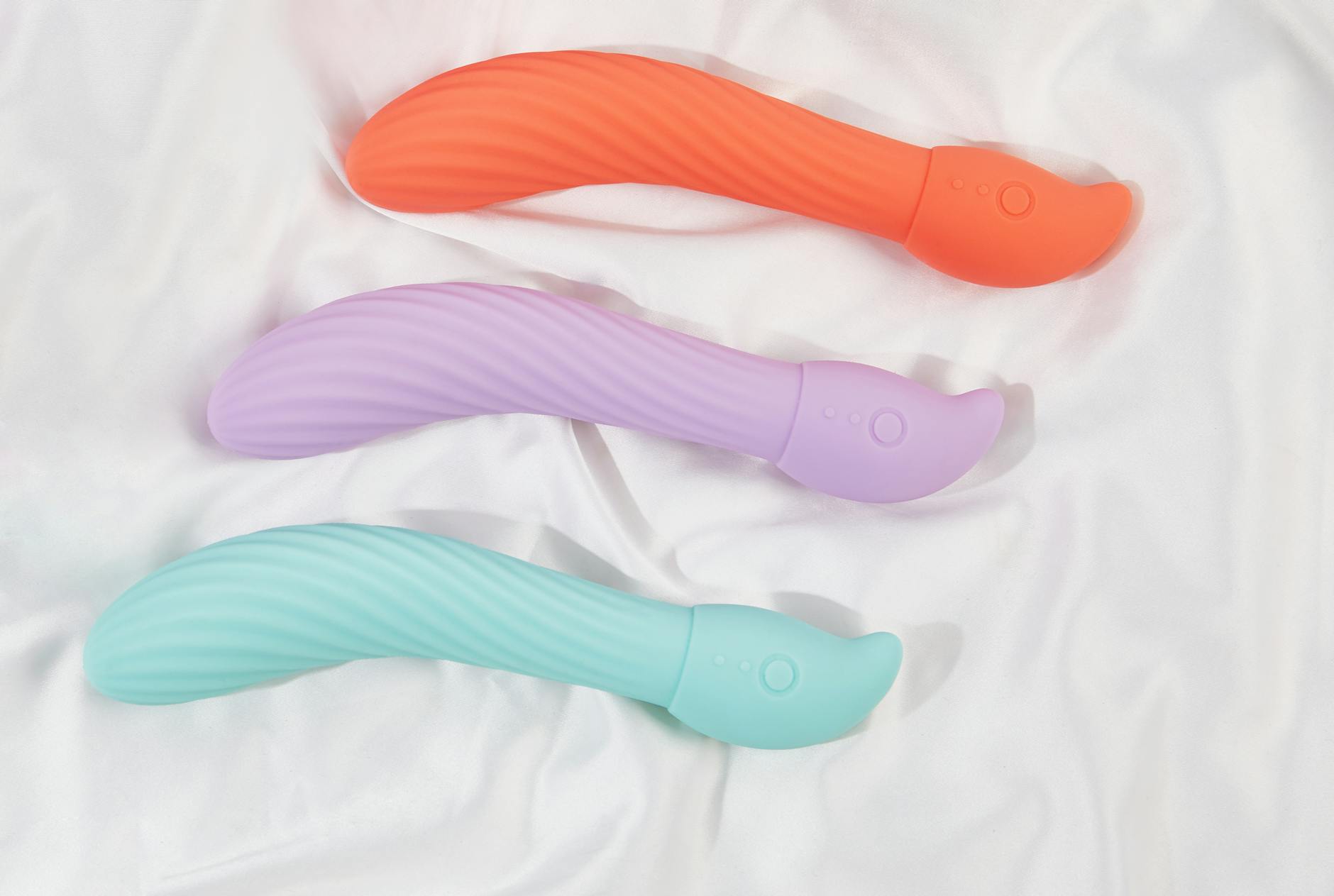
Let's be real about the first time
You unbox your new lemon clitoral vibrator. It looks good. You've read the hype. Then you try it and think: "Wait, that's... weird." The sensation isn't quite painful, but it's definitely not comfortable. It feels like nothing you've experienced before. You wonder if you bought the wrong thing.
You didn't. You're just not used to how lemon vibrators actually work yet. And that's completely normal.
Why suction feels different (and a little strange)
Traditional vibrators buzz. They shake. Your body knows that language because you've likely felt it before—maybe in a phone, maybe in a tool, definitely in other toys. Your nerve endings have a reference point.
A lemon suction vibrator doesn't buzz in that way. Instead, it creates a gentle vacuum on the clitoris. The sensation is sustained pressure combined with a soft rhythmic pulse. It's less "vibration" and more "gentle rhythmic suction." Some people describe it as a soft kiss. Others say it feels like a mini vacuum. The point is: your body is experiencing something it has zero historical context for.
The discomfort you feel on attempt one isn't usually pain. It's unfamiliarity. And your nervous system gets cautious around unfamiliar sensations. That caution feels like tensing, which makes everything less comfortable. It's a feedback loop.
The good news? The loop breaks quickly once you understand what's happening.
What actually happens when you adjust
The first 3-5 uses of a lemon adult toy are almost always about acclimatization, not pleasure. Your nervous system is learning. "Okay, this sensation isn't a threat. This sensation isn't painful. This sensation is actually kind of interesting." Around use five or six, something shifts. The sensation stops feeling foreign and starts feeling good.
This is backed by research on sensory adaptation and pleasure conditioning. When your nervous system categorizes a sensation as safe and pleasurable, the entire experience changes. The same physical input produces a different perception.
You're not broken. Your body isn't rejecting the toy. You're just on the front edge of a learning curve.
Starting with settings, not full intensity
Most lemon vibrators, including models from Hello Nancy, come with multiple intensity levels. Here's the mistake people make: they start at level 3 or 4 because they want to feel something. That's backward.
Start at level 1. Seriously. Level 1 is designed to feel gentle and exploratory. It's about getting your tissues and your nervous system used to the sensation without overwhelming anything. Spend two or three sessions at level 1 before moving to level 2. Then level 2 for another session or two.
This isn't slow. It's smart. You're building a foundation instead of trying to sprint to an orgasm on day one.
The external warm-up actually matters
When you're uncomfortable with a new sensation, your pelvic floor tightens. Tight muscles make everything more intense and less comfortable. A proper warm-up relaxes that area before you even turn the toy on.
Spend 5-10 minutes touching yourself with your hands first. No toy. Just hands. Let your body get aroused naturally. Pay attention to what feels good. Once you're actually turned on (not just theoretically interested), your tissues will be more receptive and your nervous system will be more open to new sensations.
Then introduce the toy on the lowest setting.
The positioning piece nobody talks about
If the lemon clitoral vibrator feels uncomfortable, the angle might be wrong. The head of a lemon vibrator is designed to cup the clitoris gently. If you're pressing it straight on with maximum pressure, you're working against the device, not with it.
Try this: position the toy so it's making a gentle seal, not a hard pressed contact. You should feel suction, not pressure. If it still feels odd, angle it slightly differently. Some people prefer it more directly on the clitoral head. Others prefer it slightly to the side. There's no wrong answer. Your body will tell you what feels better as you experiment.
Managing sensation overload
If a lemon vibrator still feels overwhelming even at level 1 with good warm-up, you might have a sensitive clitoris. This is common and totally manageable. Two options: add a thin cloth barrier (some people use a silk or cotton fabric between the toy and skin), or take even longer acclimatization periods. Three sessions at level 1 might not be enough for you. Five or seven might be.
Your goal isn't to prove you can handle it. Your goal is to find what feels good. If it takes longer, that's information, not failure.
When you need lube (and when you don't)
Suction-based toys like lemon clitoral vibrators need a good seal to work properly. A tiny bit of moisture (natural lubrication) helps this happen. If you're very dry, or if it's early in your arousal cycle, adding a small amount of water-based lubricant can actually make the experience more comfortable.
This isn't about dryness being a problem. It's about creating the right conditions for the toy to work as designed. A light touch of lube changes everything sometimes. Try it if the sensation feels uncomfortable or the toy isn't suctioning properly.
The emotional piece that makes or breaks it
Here's what I see most often in my practice: someone buys a lemon vibrator, feels uncomfortable on the first try, and then brings shame into the equation. "Something's wrong with my body. I'm broken. I wasted money."
None of that is true. You're adjusting to a new sensation. That's it.
The fastest path to comfort is giving yourself permission to be a beginner. No pressure to orgasm on day one. No pressure to love it immediately. Just curiosity. "Okay, how does this actually feel when I slow down and pay attention?" That curiosity opens the nervous system. Judgment closes it.
When discomfort means something else
Here's the distinction: early unfamiliarity discomfort usually improves within a few sessions and doesn't involve pain. If you're experiencing actual pain, or if discomfort is getting worse instead of better after 5-7 uses with proper warm-up and low settings, stop and reassess.
Pain with a lemon adult toy can mean: the tissue is irritated, you have an underlying sensitivity issue like genital dermatitis, or the toy isn't right for your body. All of these are fixable. Check out our guide on best lemon vibrator for sensitive skin if this resonates with you.
But standard "that feels weird" discomfort? That's just your body learning. And learning takes a few sessions.
The timeline most people experience
Session 1-2: Foreign sensation. Mild discomfort. Lots of curiosity. No orgasm. And that's fine.
Session 3-4: Starting to recognize the rhythm. Less tensing. Maybe a little physical response.
Session 5-6: The sensation is familiar now. Pleasure starts layering in. Potential for orgasm if conditions are right.
Session 7+: You've found your rhythm, your settings, your position. It feels good. Sometimes amazing.
This isn't universal. Some people get there faster. Some take longer. But this is the common path. Expecting pleasure before familiarization is setting yourself up for disappointment.
Making the adjustment easier
Three concrete things that speed up comfort:
1. Use it regularly but not obsessively. Once every 2-3 days for the first two weeks. Regular contact helps your nervous system adjust faster than sporadic use. But more isn't better. Your body needs time to process.
2. Don't multitask. Put the phone away. Close the laptop. Give the experience your actual attention. You're building a relationship with a new sensation. That requires presence.
3. Be specific about what feels uncomfortable. Is it the suction itself? The rhythm? The intensity? The angle? Once you identify what specifically feels off, you can adjust that thing. You're not trying to fix "everything"—you're troubleshooting a detail.
What "right" actually feels like
When a lemon vibrator clicks for you, you'll know. The sensation stops feeling like something your body is tolerating and starts feeling like something your body wants. Arousal builds more easily. Pleasure feels accessible. You stop thinking about whether you should like it and just enjoy it.
This shift usually happens between sessions five and eight. Sometimes sooner. Sometimes it takes longer. Both timelines are normal.
Your comfort with a new lemon clitoral vibrator isn't about your body being broken or the toy being wrong. It's about two systems (your nervous system and a new sensation) getting to know each other. That takes time. It's worth the investment.
People also ask
How long does it take to adjust to a lemon vibrator?
Most people feel a noticeable shift in comfort between uses five and eight. Your nervous system recognizes the sensation as safe and pleasurable, and discomfort typically drops. Some people adjust faster (by session three). Others need 10-12 sessions. All of these timelines are normal. Regular use (every 2-3 days) speeds adjustment more than sporadic use.
Can a lemon clitoral vibrator be too intense for sensitive skin?
Yes. If your clitoris is particularly sensitive, start at the absolute lowest setting and consider a thin fabric barrier between the toy and your skin for the first few sessions. You might also explore water-based lube, which can reduce friction and make the suction feel less intense. Check out best lemon vibrator for sensitive skin for more specific product recommendations and material guidance.
Why does my lemon vibrator feel numbing instead of pleasurable?
Numbing sensation usually means the suction is too strong or you're applying too much pressure. Drop down to level 1 and use a lighter touch. Suction should feel like a gentle kiss, not a clamp. You might also be adjusting the position slightly. Even moving the toy a centimeter can change how the suction feels. Experiment with angle and pressure before assuming the toy doesn't work for you.
Is it normal to not like the suction feeling at all?
It's normal to need an adjustment period. It's less common (but not impossible) to dislike suction sensation permanently after proper acclimation. If you've given it 10+ sessions with proper warm-up, low settings, and good positioning, and you still hate it, you might just prefer traditional vibration. That's valid. But most people who stick with the adjustment period end up loving lemon vibrators specifically because of the suction. Give yourself at least five solid tries before deciding.
Should I use lube with a lemon vibrator?
Not required, but often helpful. A tiny bit of water-based lube can help the toy create a proper seal if you're dry, and it can make the sensation feel less intense if you have sensitivity. It also helps the toy glide more smoothly. Silicone-based lubes can degrade silicone toys, so stick to water-based if you're using a Hello Nancy lemon clitoral vibrator.
What if the discomfort doesn't go away?
If discomfort is actually pain, or if it's not improving after 5-7 sessions with proper adjustment protocol, you might have an underlying sensitivity issue. Some people have sensitivities to silicone materials or to certain sensations. That doesn't make the toy wrong. It might just mean a different toy fits your body better. If you're unsure, reach out to contact us and we can help troubleshoot whether it's an adjustment issue or a fit issue.
The real truth
Honestly, discomfort with a new lemon vibrator almost never means you've made a mistake. It means you're at the beginning of learning something new. Your body is smart. It will figure out that this sensation feels good. Give it time, give it the right conditions, and give yourself permission to be a beginner. By session seven or eight, you'll understand exactly why lemon sexual toys have such a devoted following. Until then, patience is your best tool.