
Let's talk about what stress does to desire
You probably already know stress kills arousal. What you might not realize is that prolonged stress doesn't just suppress desire temporarily. It actually rewires your nervous system's ability to feel pleasure at all. After months of high-level cortisol, anxiety, or grief—whether from work, family crisis, illness, or relationship strain—your body needs more than just the stressor to lift. It needs recalibration.
When you finally exhale. When things actually calm down. That's when you might expect desire to snap back. And sometimes it doesn't. Or it does, but it feels muted, like you're observing pleasure from a distance instead of experiencing it.
How stress dampens physical sensation
Here's the physiology. Under chronic stress, your parasympathetic nervous system (the one responsible for arousal, relaxation, and blood flow to your genitals) goes quiet. Your sympathetic system stays locked in high alert. Cortisol floods your system. Testosterone dips. Blood redirects away from your genitals and toward your muscles and brain, prepping you to fight or flee.
So far so normal. But here's what gets missed: after stress ends, your nervous system doesn't just flip back on like a light switch. It takes time. Sometimes weeks. Sometimes months. During this resensitization period, your clitoris literally has less blood flow, less nerve activation. Sensation feels muffled. What used to feel electric now feels like touching through a layer of gauze.
This is why the classic advice—"just relax" or "light some candles and have a glass of wine"—doesn't work. Your body isn't being stubborn. It's genuinely numbed.
Why suction works better during resensitization
This is where a lemon vibrator changes things. Traditional vibrators apply direct friction. After prolonged stress, direct stimulation can feel overwhelming or even painful because your tissues are hypervigilant. You're not desensitized in the numbness way you think. You're actually oversensitive beneath the numbness. Confusing, I know.
Suction stimulation, like what the Lem delivers, works differently. Instead of friction, it uses gentle pressure waves to activate the full clitoral complex. Your clitoris is way bigger than the external nub—the glans is just the visible tip. The clitoral body, wings, and vestibular bulbs extend deep inside. Suction reaches those deeper structures without aggressive direct contact.
For someone resensitizing after stress, this is gentler. It's also more effective because it activates a broader range of nerve pathways at once. You get sensation without the harsh edge.
The recalibration protocol: how to actually rebuild arousal
Start with zero expectations. Seriously. The worst thing you can do right now is add performance pressure on top of stress recovery. If you have a partner, you might need to tell them explicitly: "This isn't about getting turned on or having an orgasm. This is about reintroducing my body to feeling."
Begin with your lemon clitoral vibrator on the lowest setting (usually pattern 1 or 2 on the Lem). Give yourself 20-30 minutes in a quiet space. Not to "achieve" anything. Just to feel. Start with it off and run it slowly over your inner thighs, your labia, the areas around your clitoris. Move toward direct clitoral contact only after you've spent time in the surrounding areas.
The goal here isn't orgasm. It's mapping sensation. Noticing what feels good, what feels too intense, what feels numb. You're gathering data. That data is valuable whether or not you climax.
Do this 3-4 times before you even consider turning up the intensity. Your nervous system learns through repetition. Each time you safely activate pleasure pathways, you're literally rebuilding the neural connections that stress deactivated.
When sensation starts returning, what to expect
After a few sessions, you might notice something strange: certain sensations feel intense, others still feel muted. Your clitoris might feel almost tender, even slightly irritated. This is normal. Your tissue is waking up. Treat it like post-workout soreness. That means the adaptation is starting.
At this point, you can begin varying your approach. Try moving the Lem to different patterns. Try combining it with manual touch. Try using it for shorter bursts (10-15 seconds) followed by breaks to let sensation settle. You're teaching your nervous system that pleasure is safe and available.
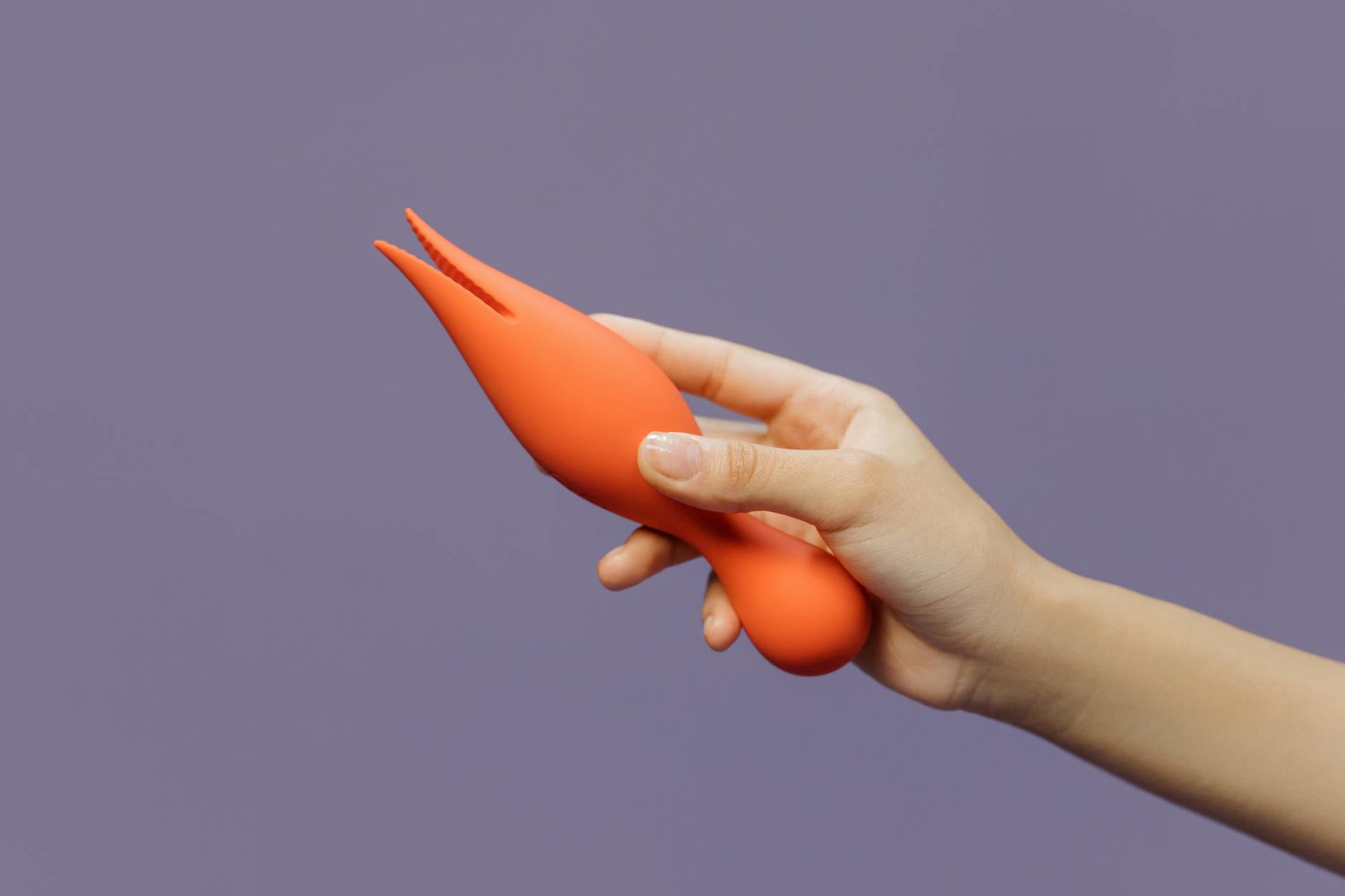
Photo by cottonbro studio on Pexels
Many people report that orgasms return before desire feels fully normalized. You might have an intense climax and then feel emotionally distant from it. That's okay. Keep going. Keep exploring. Your nervous system is learning that pleasure won't trigger another crisis.
Partnered play during resensitization: how to communicate
If you have a partner and want to involve them during this process, the conversation matters more than the activity. You need to tell them what's actually happening physiologically. Not so they feel responsible for "fixing" you, but so they understand the timeline isn't about them.
Useful framing: "My body is coming back online. This might look like slow progress or unexpected intensity shifts. That's data, not feedback about you." Many partners wrongly assume muted arousal means low attraction. Explaining the neurobiology of stress recovery prevents resentment from building while you're already vulnerable.
If you want them present during your lemon vibrator sessions, that's fine. They could simply be in the room, or they could be involved through touch. But the lead should stay with you and your body's feedback. Your nervous system is still learning to prioritize pleasure over vigilance. External pressure, even well-meaning, can interrupt that learning.
Avoid these common mistakes during recovery
Don't force yourself to have orgasms. Orgasm-chasing during stress recovery often backfires. Your nervous system reads the performance pressure as stress and shuts down further.
Don't compare your current arousal to your pre-stress baseline. Your body has genuinely changed. Expecting it to work exactly as it did before adds unnecessary frustration.
Don't assume you need a partner or external stimulation for this to work. Solo exploration with your lemon sexual toy is often more effective during resensitization because you can move at exactly your own pace without negotiating anyone else's needs.
Don't skip the low-intensity phase. Jumping straight to high patterns feels like it might "wake things up" faster. It usually just overstimulates and creates more numbness.
How long does resensitization typically take?
This depends on the intensity and duration of your stress. Someone recovering from a few weeks of high stress might resensitize in 2-3 weeks. Someone recovering from months of crisis might take 8-12 weeks. There's no universal timeline, and pushing it usually extends it.
The good news: this process isn't linear. You'll have sessions where sensation feels almost normal, and sessions where it feels completely numb again. Both are part of recovery. Your nervous system is oscillating between old patterns and new ones.
One more thing. If numbness persists beyond 12 weeks of consistent exploration, or if you develop pain during stimulation, check in with your GP. Prolonged stress sometimes indicates other things worth ruling out (hormone levels, medication side effects, pelvic floor dysfunction). A clinician can help you determine if what you're experiencing is normal resensitization or something else.
Making pleasure safe again
The deepest work here isn't mechanical. It's teaching your nervous system that pleasure is genuinely safe. That you won't be interrupted. That sensation won't trigger danger. That your body deserves to feel good just because it does.
Your lemon vibrator is a tool. A really good one. But the real resensitization happens in the choices you make: carving out time, communicating honestly with partners, staying patient with your body, and not collapsing pleasure into performance. That's where the real rewiring happens.
People also ask
How do I know if my numbness is from stress or something medical?
Stress-related numbness usually lifts gradually over weeks as you engage in gentle exploration and your nervous system settles. Medical causes (low testosterone, medication side effects, hormonal imbalance, pelvic floor dysfunction) tend to persist unchanged despite exploration or even worsen. If numbness hasn't budged after 8-10 weeks of regular practice, or if it arrived suddenly with other symptoms, talk to your doctor. They can run basic hormone panels or examine pelvic floor function. It's worth ruling out so you know whether you're managing nervous system recovery or treating something clinical.
Can I use my lemon vibrator if I'm still in the middle of the stressful situation?
Technically yes, but it won't work the way you want. If you're still under active stress, your parasympathetic system is still offline. Trying to force arousal will likely create frustration instead. If you're in active crisis mode, your body is being smart by shutting down pleasure. The best use of your time might be addressing the stressor (stepping back from work, getting help for the situation, talking to a therapist) before diving into resensitization. Once things actually calm down, then your body will be ready to rebuild.
Should I use lube while resensitizing with my lemon clitoral vibrator?
Yes. Even if your body normally produces plenty of lubrication, you might notice dryness during stress recovery. Cortisol suppresses lubrication. Use a good water-based lube regardless of what feels wet to you. It protects tissue that's still sensitizing and makes suction work more effectively. This is especially true if you're using the Lem or similar lemon suction toys, where the seal matters for the sensation to work properly.
How do I tell my partner I need them to back off during this resensitization process?
Direct is best. "I'm working on rewaking my body after stress. That means I need some space to explore solo and rebuild sensation on my own timeline. I'm not pulling away from you. I'm actually doing work to come back to desire more fully." Good partners understand this. If your partner hears "back off" as rejection, that's a separate conversation about emotional intimacy that might benefit from a counselor. You shouldn't have to manage their feelings while your nervous system is healing.
Can antidepressants interfere with resensitization after stress recovery?
Yes, sometimes. Many antidepressants (SSRIs especially) can suppress arousal and sensation as a side effect. If you started antidepressants during or after your stressful period, that numbness might be partly medication-related. That doesn't mean you should stop taking them. It means talking to your prescriber about whether there's a better timing for doses, a different med with fewer sexual side effects, or whether what you're experiencing is likely to resolve as your body adjusts (often takes 4-6 weeks). Your mental health stability comes first. Then you work around the sexual side effects.
Is it normal for orgasms to feel different or less intense while resensitizing?
Completely normal. You might have orgasms that feel distant, brief, or less rhythmic than before stress. Your nervous system is still rebuilding the full sensory architecture. As resensitization continues, orgasms usually deepen and feel more embodied. Don't interpret weak orgasms as failure. They're a sign your body is slowly coming back online. Give it time.
The bigger picture
Stress recovery isn't just about getting your orgasms back. It's about teaching yourself that you deserve to feel good. That your pleasure matters even when the world is chaotic. That your body is trustworthy enough to let it experience sensation again. A lemon vibrator helps with the physical part. But the emotional part—permission, patience, self-compassion—that's the real work. And honestly, that's where lasting change happens.
If you're navigating this right now, you're not broken. Your body is responding exactly as it should to prolonged threat. Recovery takes time, intention, and the right support. You've got this.
For more on how pleasure works after major life shifts, check out our guide on how to use a lemon vibrator for partners rediscovering desire after kids or how clitoral vibrators help restore sensation after hormonal birth control. Both cover similar nervous system shifts from different angles.
If you'd like to talk through your specific situation, reach out to us. We're here to help.